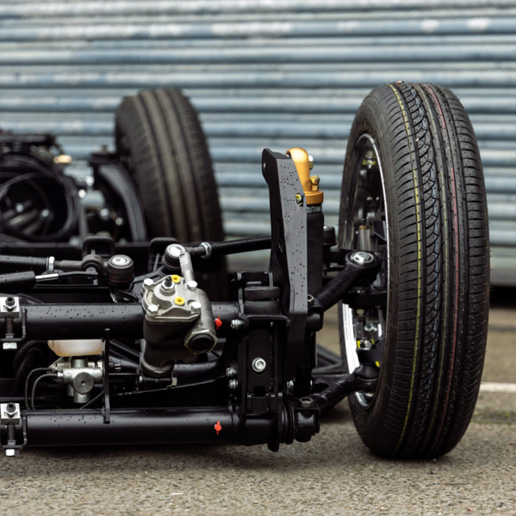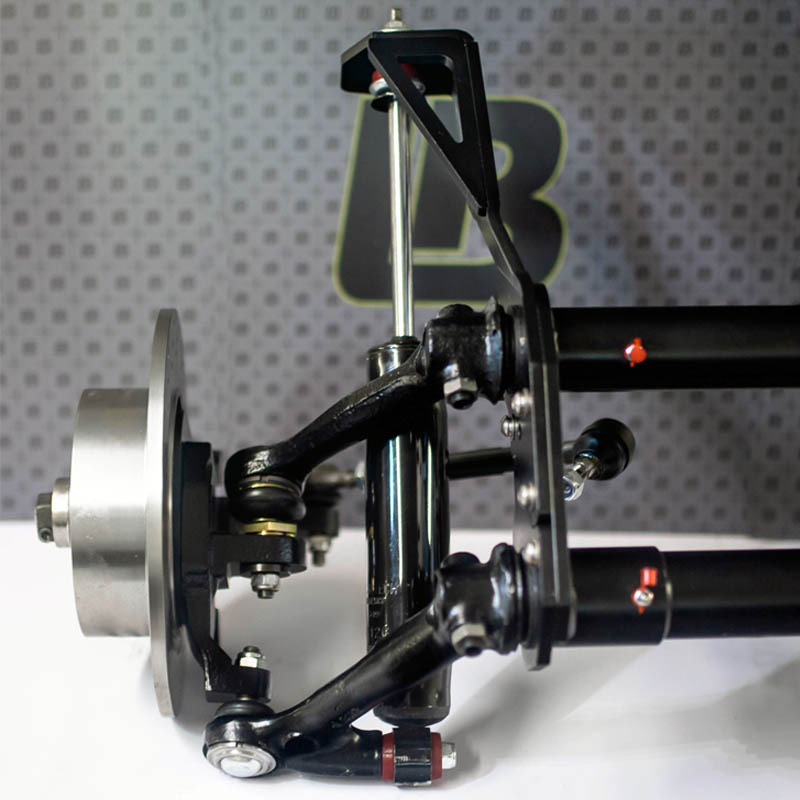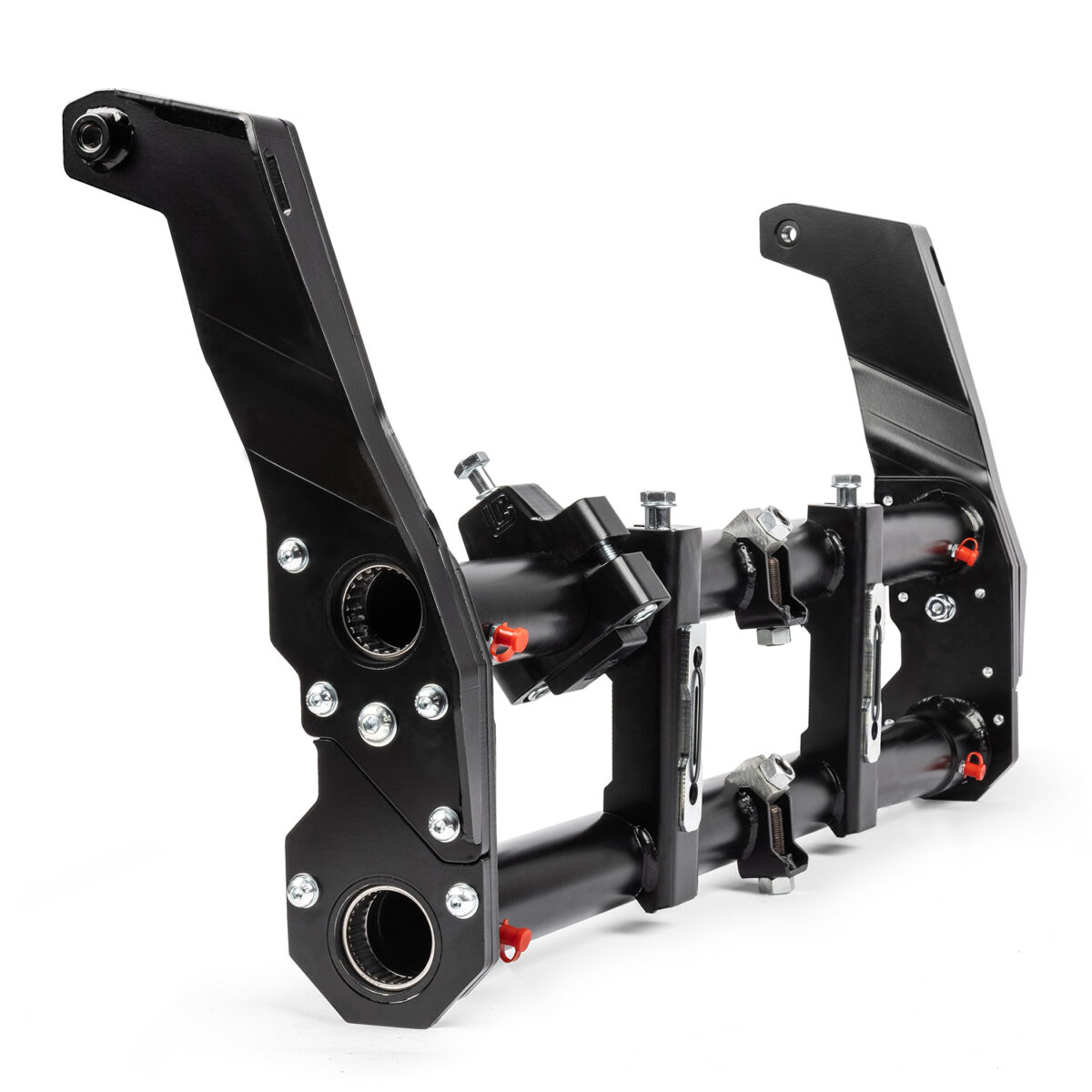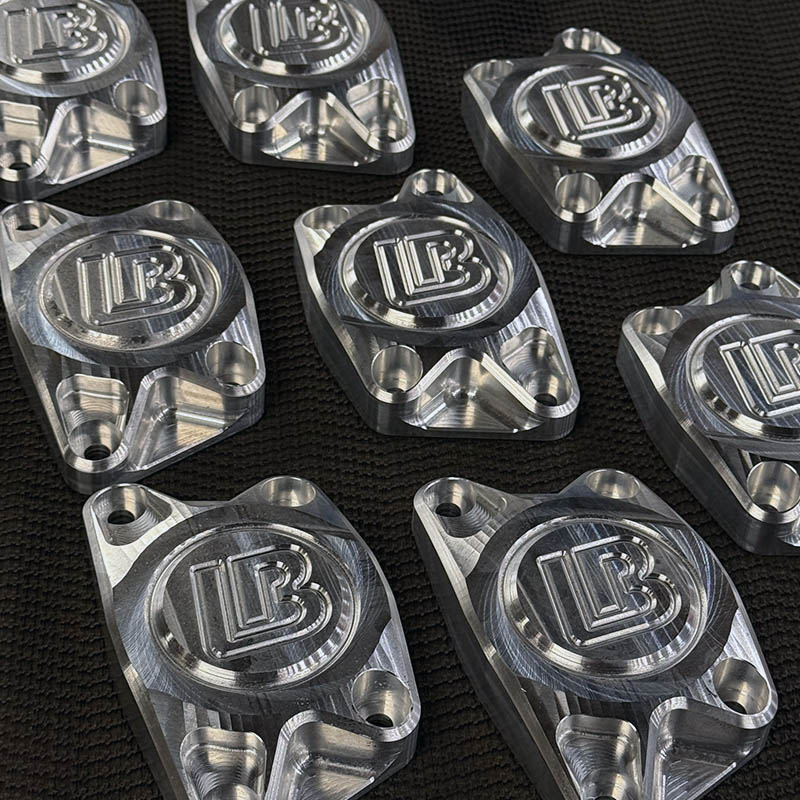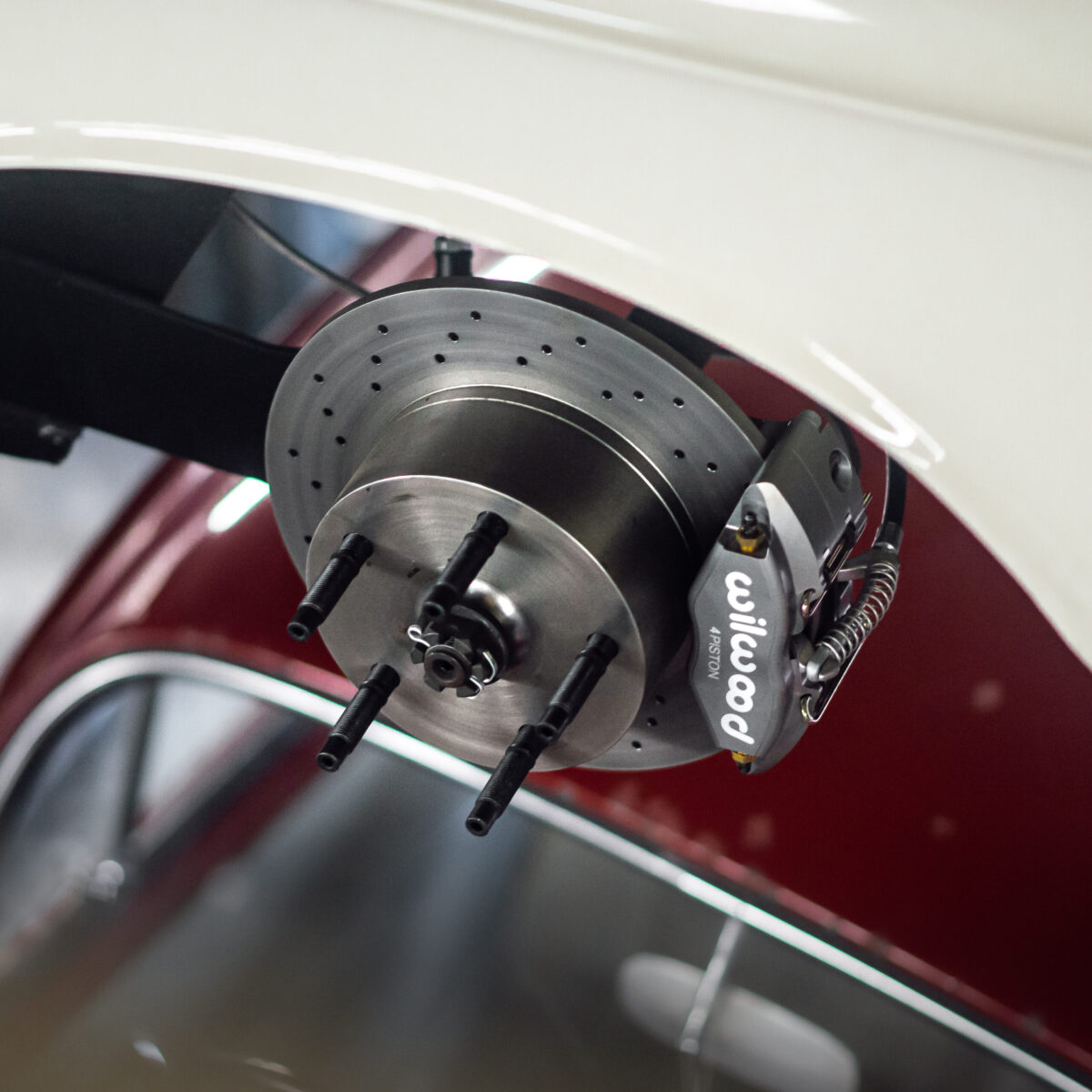

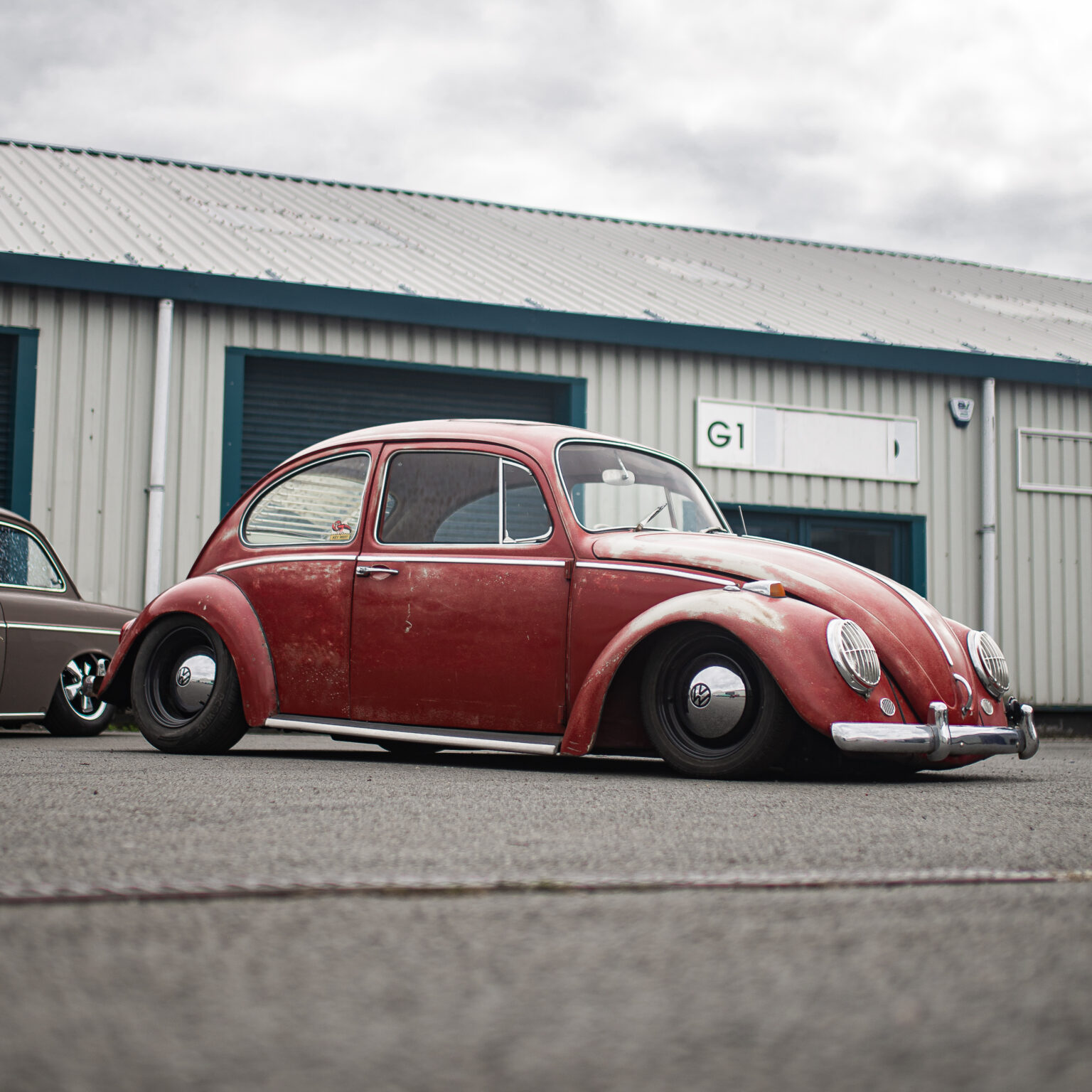
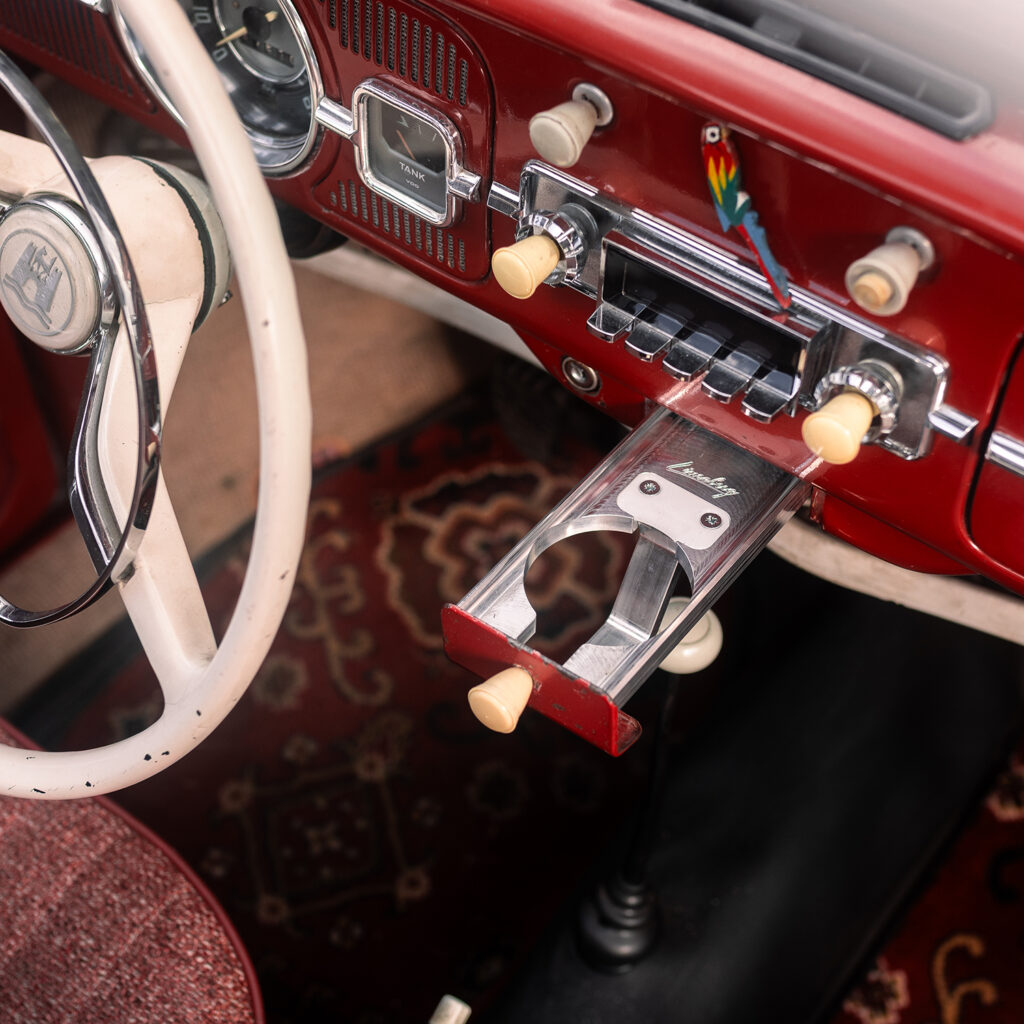
Limebug Leanne’s 1966 Slovakian Sunroof Beetle puts a real-world finish on the Limebug catalogue, bringing together Beetle / Ghia / Type 3 Swing Axle Rear Lowering Kit, 1966-79 Beetle / Ghia Ball Joint 4" Narrowed Complete Front Air Ride Kit with Elite Series Jawbreaker Beam, 1958-68 Beetle Factory Dashboard Ashtray Cup Holder by Limebug in one properly resolved setup.
PERFECTLY IMPERFECT
Once the unfinished project of a VolksWorld editor, now one of Limebug’s hardest-working development cars. Leanne’s 1966 sunroof Beetle combines remarkable original patina, a beautifully unconventional interior and an ever-evolving collection of our latest engineering.
Words by Limebug | Hall of Fame — Featured Builds
Some cars are too good to restore.
That might sound like a strange thing for a company that spends much of its time rebuilding and modifying old Volkswagens to say.
But every now and then, something turns up that would be considerably less interesting if you made it perfect.
Leanne’s 1966 Beetle is one of those cars.
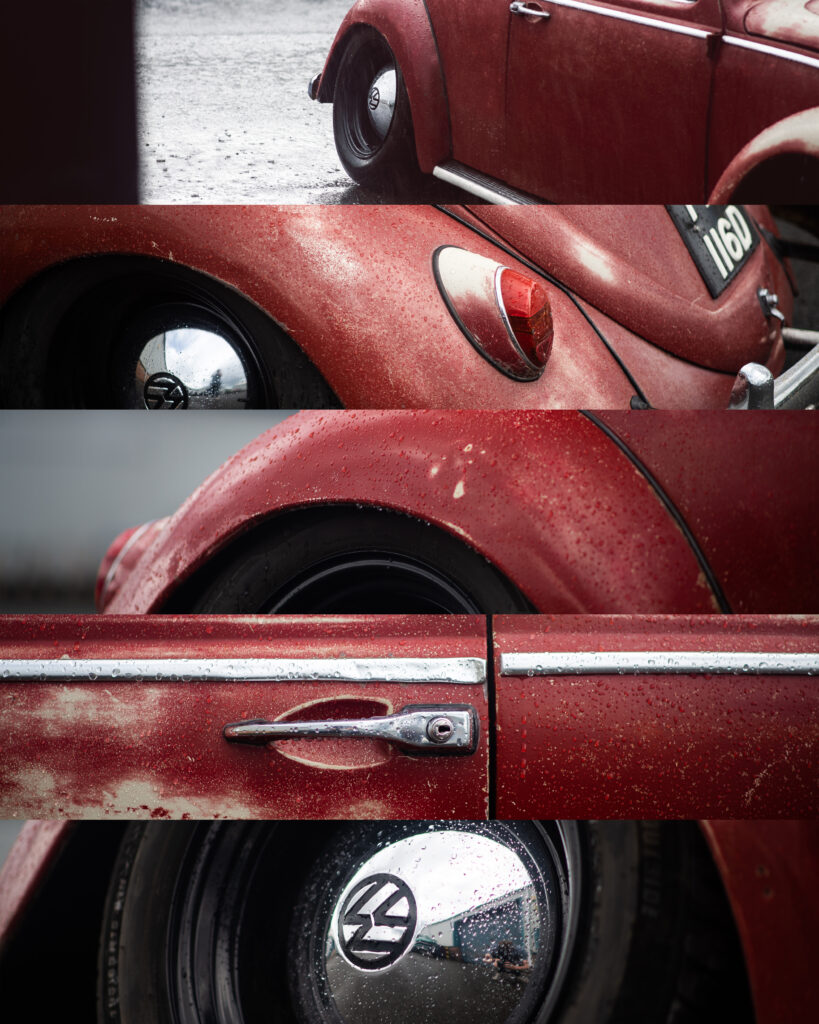
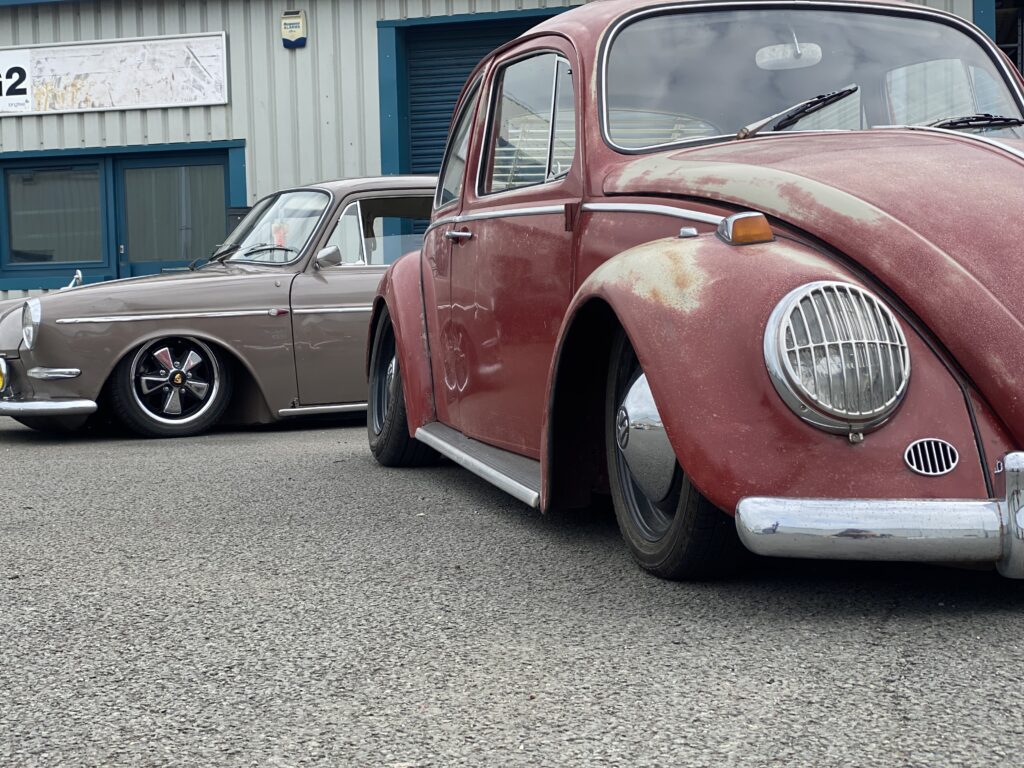
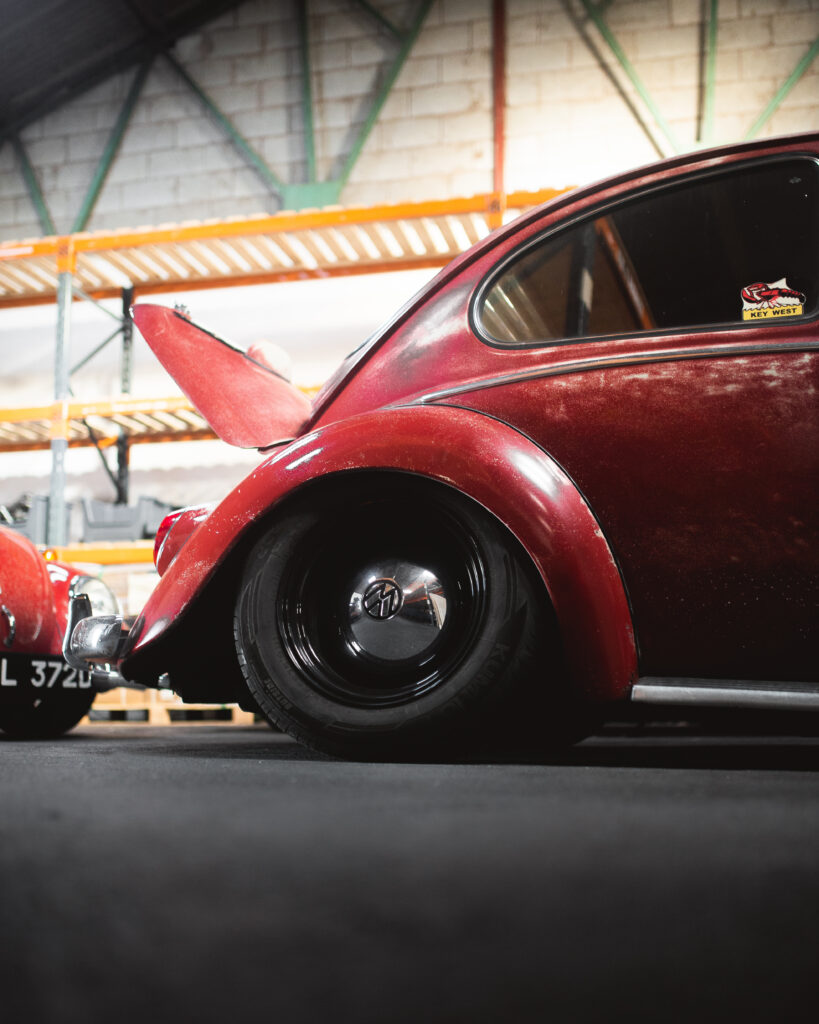
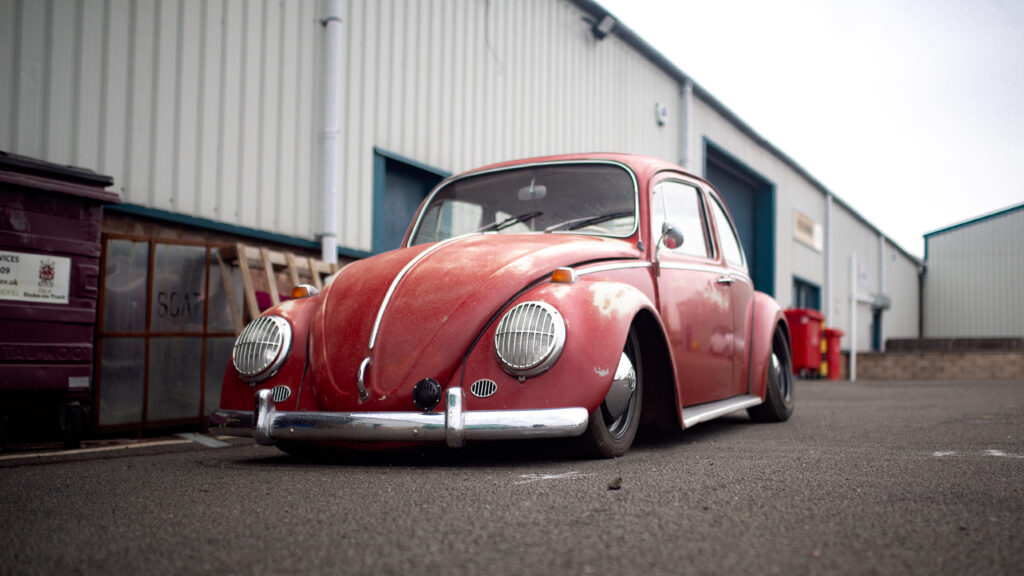
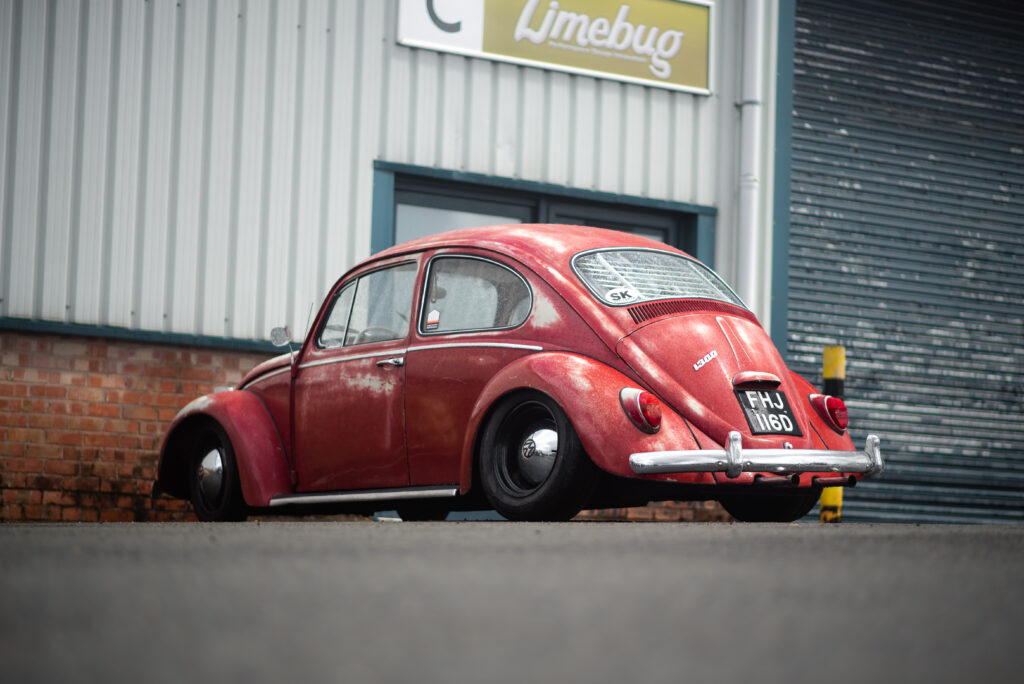
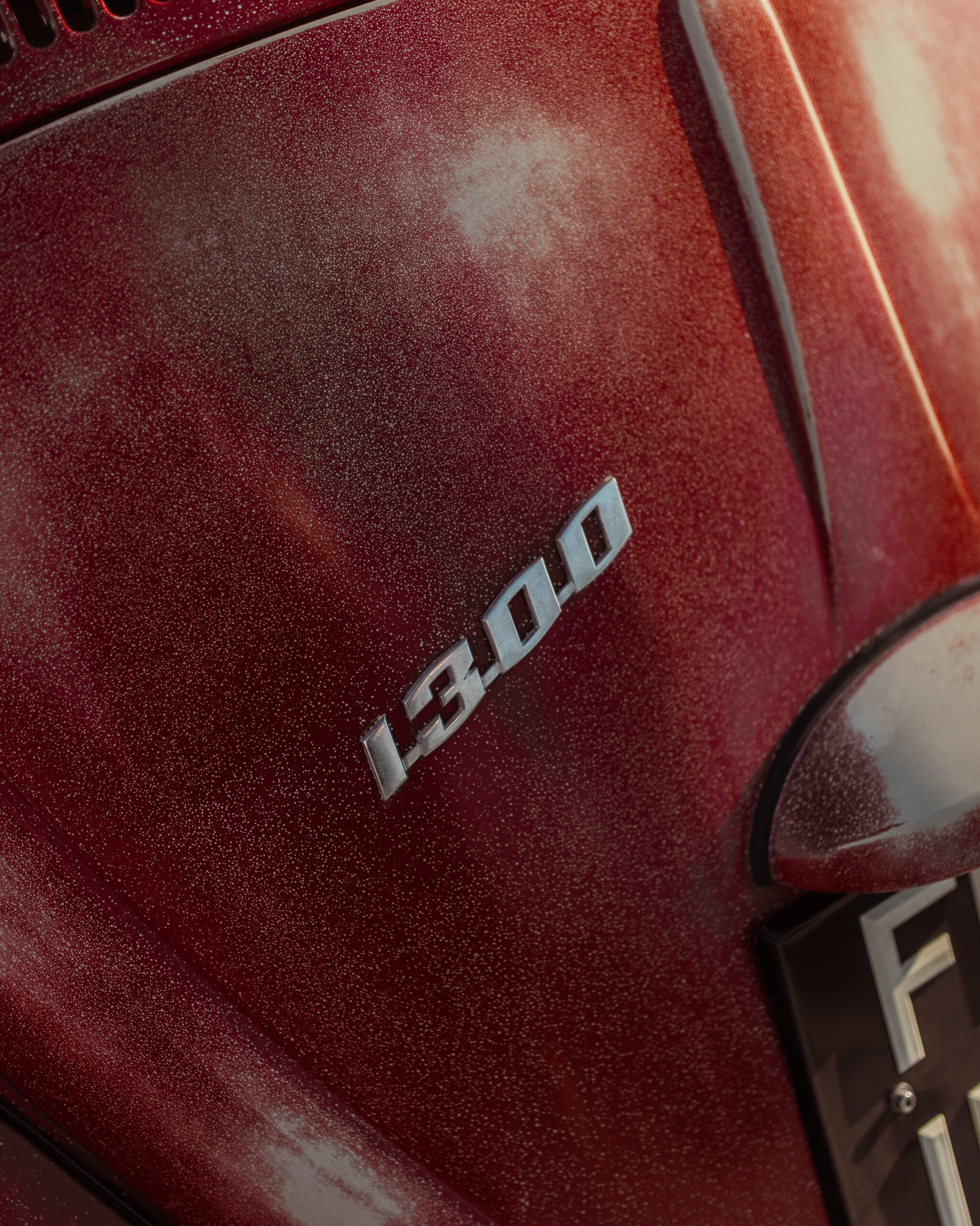
Its exterior is an extraordinary collection of faded paint, microblistering, surface imperfections and beautifully inconsistent colour. The sort of finish that would send a traditional paintshop into a state of mild panic.
And yet, somehow, it’s stunning.
Every panel has its own character. The paint catches the light differently depending on where you’re standing, with decades of wear creating a depth and texture that would be almost impossible to reproduce convincingly.
Then you open the door.
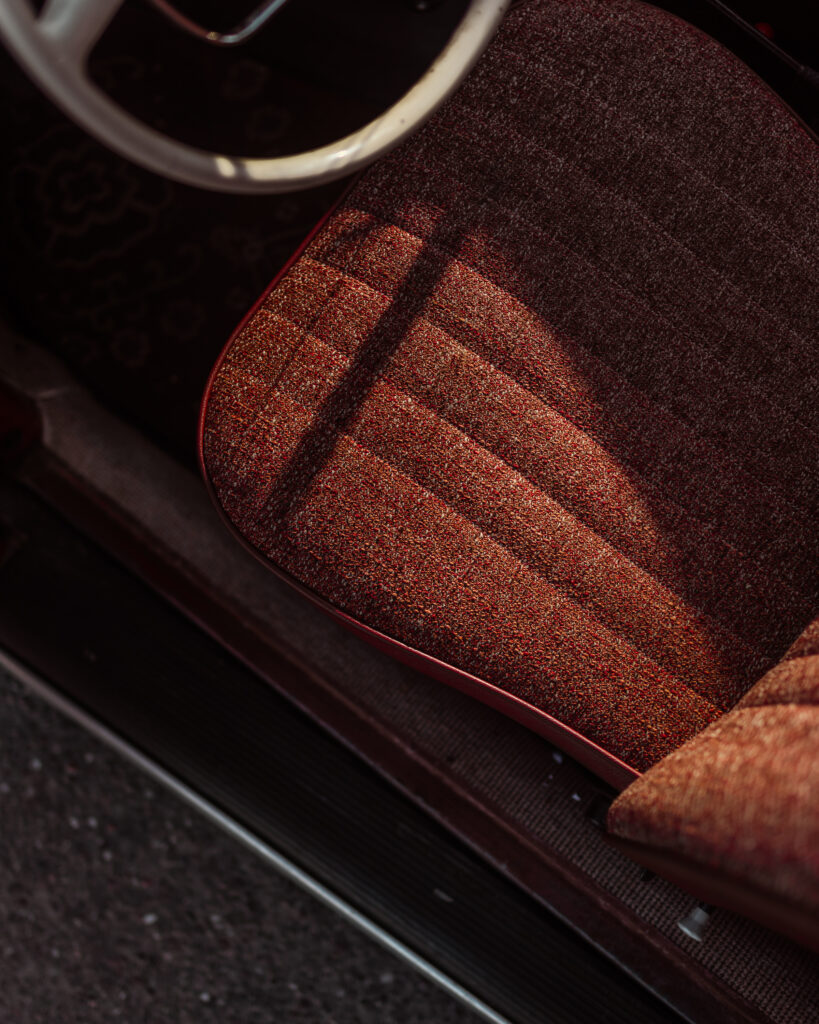
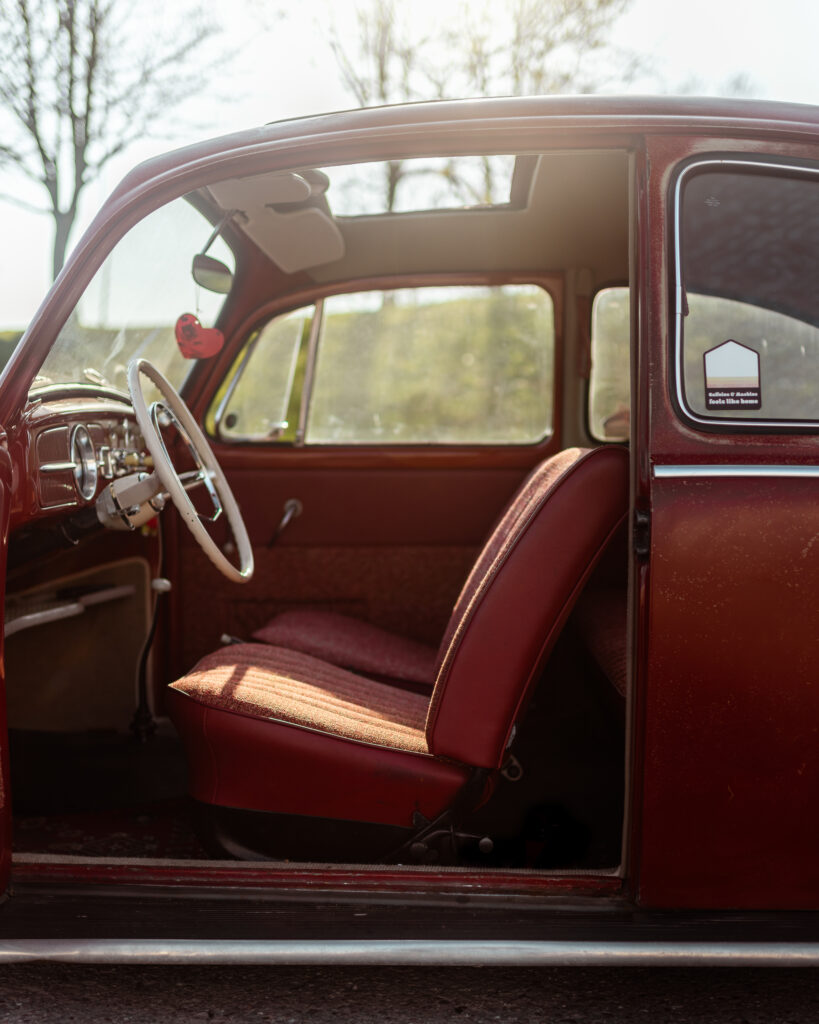
Inside is a carefully finished interior designed to complement the weathered bodywork, right down to upholstery chosen to echo the speckled paint outside.
Underneath, meanwhile, there’s a rather different story.
A narrowed Jawbreaker beam, adjustable suspension and a continually evolving collection of Limebug components.
Because this isn’t simply a preserved classic.
It’s one of our most regularly used development cars.
The Penny Pincher
An editor’s unfinished business
Before Leanne owned the car, it belonged to James Peene, former editor of VolksWorld magazine.
Readers of the magazine during the mid-2010s might remember it as The Penny Pincher, James’s 1966 1300 sunroof Beetle project.
Like so many Volkswagen restorations, it began with good intentions and an increasingly ambitious list of things to do.
Unfortunately, having a project and finding time to finish it are two entirely different problems.
In February 2016, James wrote about his decision to sell the car. Between work commitments and the realities of restoring an old Volkswagen, he’d reached the point where completing it wasn’t realistic.
The Penny Pincher needed somebody with the time and inclination to take it further.
Which is how it eventually ended up with us.
And, naturally, we immediately started finding more things to do to it.
A Slovakian connection
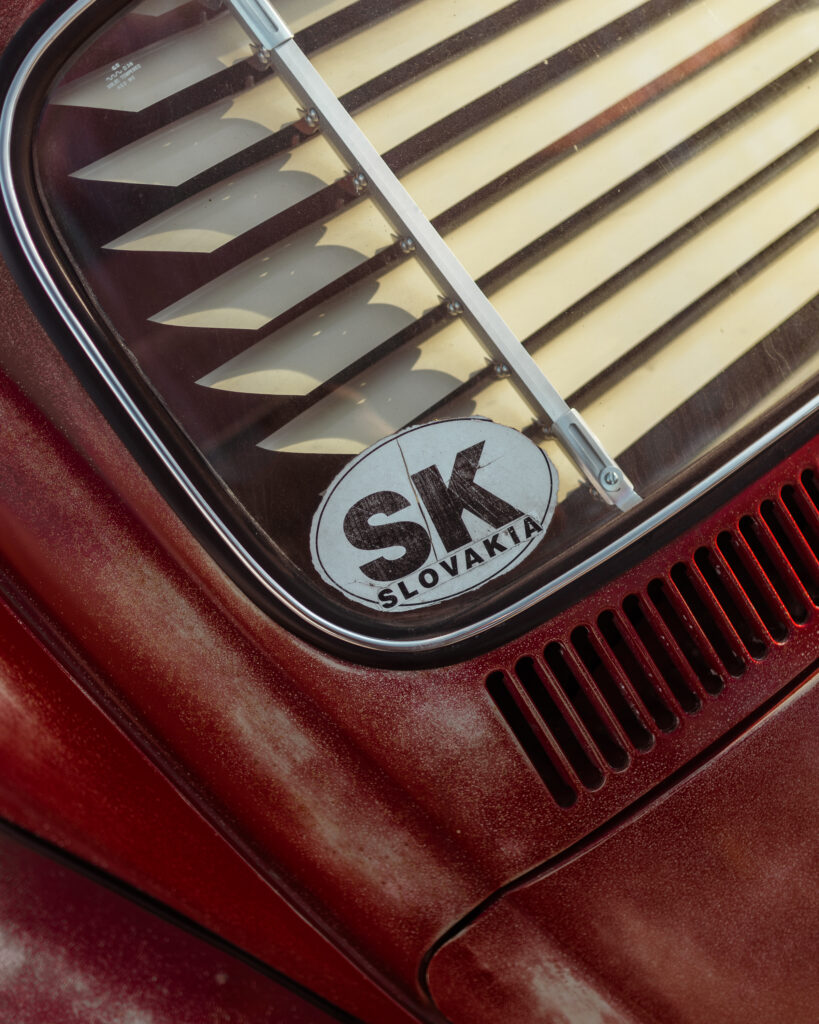
The Beetle had previously spent part of its life in Slovakia, adding another chapter to an already interesting history.
As a 1966 model, it also happens to sit at one of our favourite points in Beetle development.
You get the later ball-joint front suspension, but retain much of the earlier bodywork and detailing that make sixties cars so appealing.
There’s also the factory steel sunroof.
Or there would have been, if it actually worked.
Years of inactivity had left the mechanism completely seized, turning a desirable factory option into a rather complicated piece of fixed roof.
So that became one of the first jobs.
The mechanism was dismantled, overhauled and brought back into operation, restoring one of the best features of the car.
With the roof open and the windows down, it’s exactly the sort of Beetle you want to be driving on a warm summer afternoon.
And as it turns out, that’s precisely how Leanne uses it.
Don’t paint it. Match it.
Sixty years of accidental artwork
The exterior was always going to be the defining feature.
Rather than a conventional aged finish, the Beetle had developed extensive microblistering, creating an almost speckled appearance across its weathered paint.
The effect is particularly unusual because the texture changes from panel to panel.
Some areas are heavily marked. Others have faded more evenly. Different colours and layers appear beneath the surface.
But preserving that appearance created a problem.
Not every panel matched.
And some areas needed repairs.
A conventional respray would have solved the inconsistency, but destroyed the very thing that made the car interesting.
So we took a different approach.
Steve Parsons and the art of getting it wrong perfectly
Steve Parsons, better known as The Patina Blender, was brought in to blend the repaired and mismatched areas into the original finish.
The front wings were a particular challenge.
Rather than simply painting them the correct factory colour, Steve had to reproduce the irregular texture and colour variation that the rest of the Beetle had accumulated over decades.
An unusual brief for a painter.
Make the fresh work look old.
But not artificially old.
And definitely not too perfect.
The result is remarkably convincing. The repaired areas sit naturally alongside the surviving paintwork, with the entire car maintaining the wonderfully inconsistent appearance that attracted us in the first place.
Sealing in the years
Once the exterior was brought together, the car received a full protective lacquer finish.
This added depth to the colours while helping preserve the fragile original appearance.
The lacquer catches the light across the blistering and faded surfaces, creating a finish that can look completely different depending on the weather.
It’s not a conventional restoration.
And that’s rather the point.
We wanted to protect the car’s history, not paint over it.
The interior with a sense of humour
Ken’s Kustoms takes the brief
With the outside looking like nothing else in the workshop, fitting a conventional freshly retrimmed interior would have felt slightly wrong.
We wanted something that complemented the bodywork.
Not distressed leather.
Not artificially torn upholstery.
But something that shared the exterior’s unusual texture and personality.
Sam Trigg at Ken’s Kustoms was given the job.
The result was a bespoke speckled upholstery design, chosen to echo the microblistering across the paint.
The seats and door cards received matching treatment, creating an interior that somehow looks completely appropriate inside a car with such a weathered exterior.
It’s one of those ideas that sounds rather questionable until you see the finished result.
Mohair and old pub carpets
The restoration also included a traditional mohair headliner, carefully fitted around the now-functioning sunroof.
Square-weave carpeting and rubber mats provided a more conventional foundation.
Then came the old pub carpets.
Yes, actual pub carpets.
Repurposed as floor mats.
It’s difficult to imagine a more appropriately British finishing touch, and their patterned appearance suits the rest of the interior remarkably well.
The details continue around the cabin.
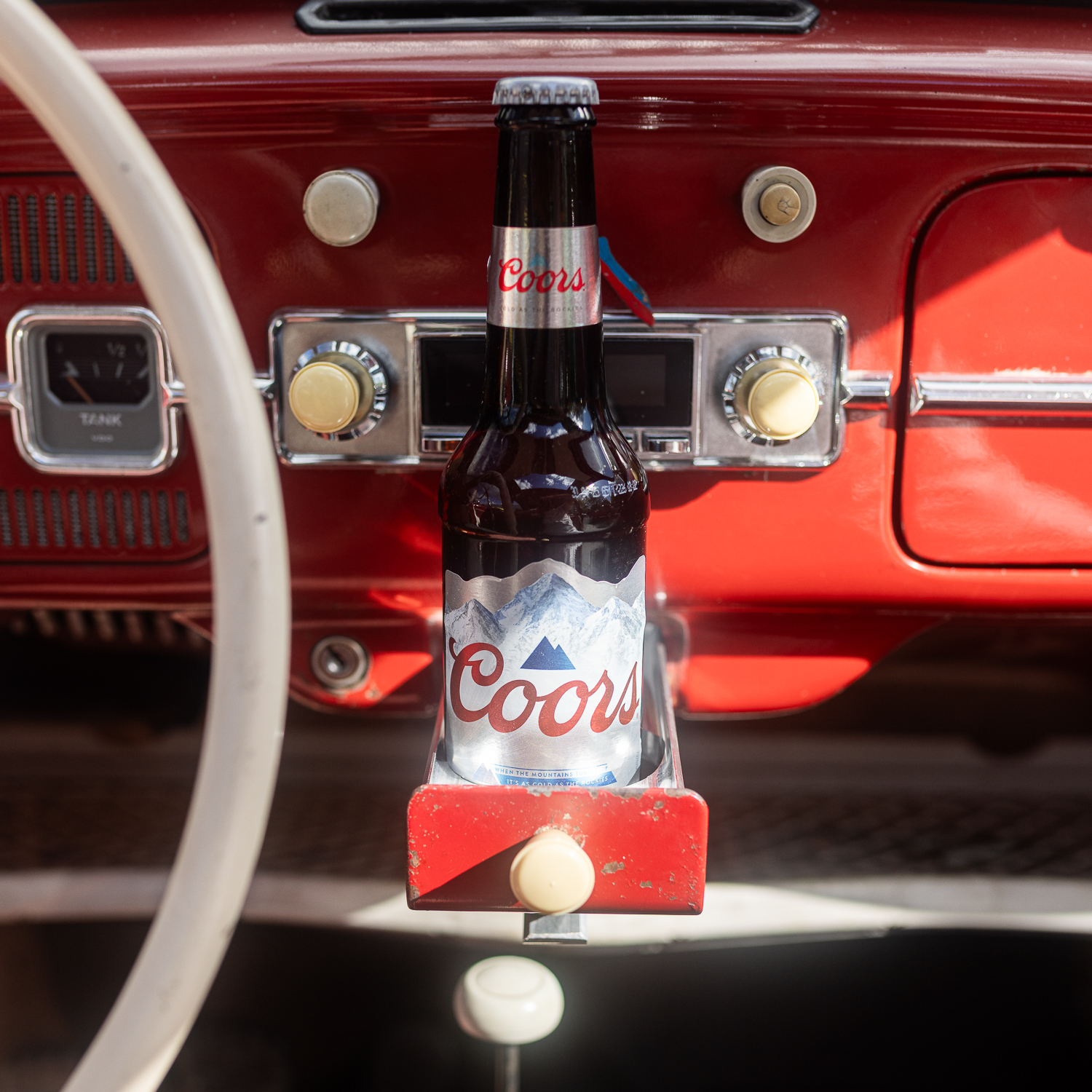
An original-style ivory D-ring steering wheel with a full horn ring, Retrosound radio, retrimmed grab handles, fresh glovebox liner and an original Volkswagen parcel shelf that had seen better days but was far too charming to replace.
There’s also a louvred rear-window blind, decorative pedal pads and a handful of other period-inspired touches.
It’s comfortable, practical and just eccentric enough to suit the car.
The Jawbreaker underneath
Four inches narrower
For all its vintage appearance, Leanne’s Beetle has a thoroughly modern approach to suspension.
At the front sits a Limebug 4-inch narrowed Ball Joint Jawbreaker Elite Series beam.
The 1966 ball-joint platform makes it particularly useful for our development work, providing compatibility with many of the components intended for later Type 1 Volkswagens.
The beam is paired with 2.5-inch dropped spindles, MOA430 Goldtop air shocks, Titan through rods and our Ultrarm steering-angle corrector.
The system allows substantial ride-height adjustment while maintaining the closely tucked front-wheel position.
A compact two-way tankless management arrangement handles the front air suspension, avoiding the need for a large conventional tank installation.
Keeping the rear straightforward
At the back, the car uses 2-inch adjustable spring plates and MOA gas shocks.
The 8-inch rear steel wheels sit neatly beneath the arches, giving the Beetle a wider, more purposeful rear stance without losing its traditional character.
It’s a relatively straightforward arrangement compared with the front.
And that’s intentional.
Not every development car needs the most complicated specification available.
Sometimes a carefully matched combination of components provides exactly what’s required.
For Leanne, the result is a Beetle that sits beautifully when parked but remains practical enough for regular road use.
The engine that tried to lubricate the workshop
Every seal. Everywhere.
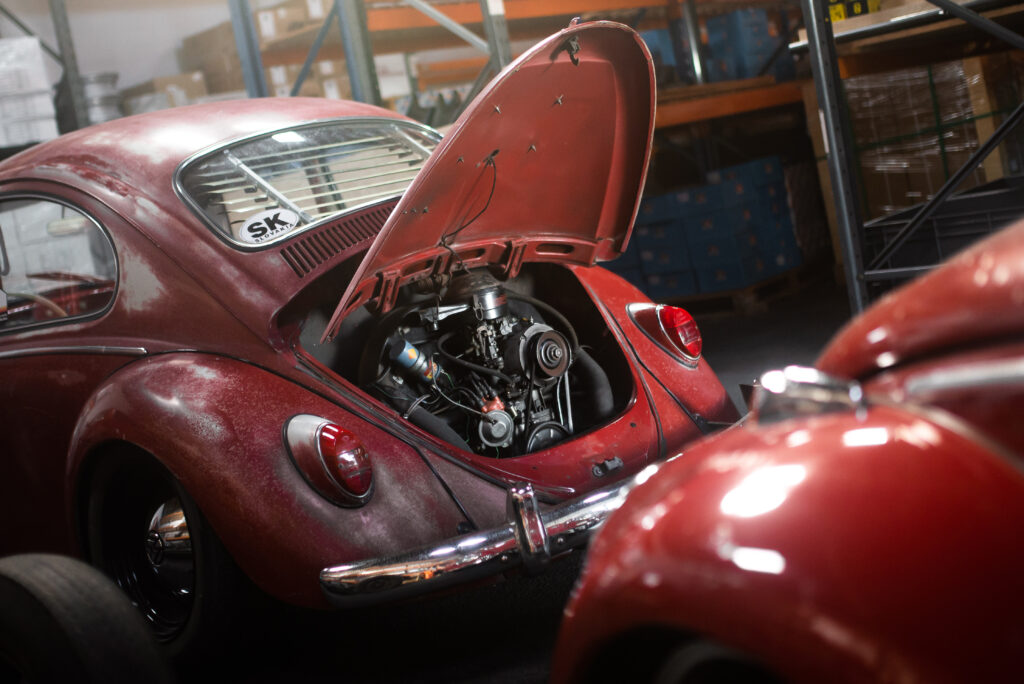
For a while, the engine seemed determined to leave a little oil wherever the car went.
And by a little, we mean quite a lot.
The various rubber seals had aged so badly that many had become almost completely rigid.
Anything that was supposed to remain flexible had developed the consistency of old plastic.
Which isn’t particularly helpful when its main job is keeping oil inside an engine.
Rather than chase leaks individually, we decided to overhaul the engine properly.
The deteriorated seals were replaced, the associated components inspected and the whole assembly brought back into a condition suitable for regular use.
The intention wasn’t to turn the car into something radically different.
It was to keep its existing engine character while removing the less enjoyable aspects of owning a sixty-year-old Volkswagen.
Particularly the need to carry a large quantity of spare oil.
Small changes. Big difference.
Leanne’s Beetle has also continued to receive smaller updates as we’ve used it.
The latest additions include LED rear lights and headlamp grilles, along with renewed seals, chrome window trim, an exterior horn and carefully chosen period-style accessories.
None dramatically changes the character of the car.
But collectively they make it more enjoyable to own and use.
And because the Beetle is still an active development platform, there’s every possibility another component will find its way onto it before too long.
Which brings us to the part of the story that matters most.
The hardest-working Beetle at Limebug
Testing where it actually matters
During the summer, Leanne uses the Beetle almost daily.
Not just for shows.
Not simply to move it around the workshop.
But on ordinary roads, in traffic and for the sort of journeys most development vehicles rarely experience.
That makes it exceptionally valuable to us.
A component might perform perfectly during installation and testing, but regular driving reveals things that short workshop trials simply cannot.
Wear.
Vibration.
Heat.
Repeated operation.
And the occasional problem that only appears after several hundred miles of actual use.
The Beetle gives us the opportunity to assess new suspension components and accessories in those conditions.
It’s an important distinction.
Rather than developing products purely around a show-car specification, we can evaluate how they behave in a vehicle that’s genuinely used.
An ever-evolving specification
Over the years, several Limebug cars have served as development platforms.
The 1967 Reed Green Beetle helped establish some of our early suspension ideas.
Ouch played a central role in Generation I bolt-on air ride development and the later Revolution system.
And our own Razor Edge brought together a much more elaborate specification.
Leanne’s Beetle serves a different purpose.
It’s the regular-use test bed.
The car that gets driven when the weather allows, often with something new fitted underneath or another small component being evaluated.
That sort of practical feedback is difficult to replicate any other way.
The complete build specification
Vehicle and history
- 1966 Volkswagen Type 1 Beetle
- Former Slovakian car
- Factory steel sliding sunroof
- Previously owned by VolksWorld editor James Peene
- Formerly known as The Penny Pincher
- Current owner: Leanne
- Regular summer driver and Limebug development platform
Exterior and preservation
- Preserved weathered original paintwork
- Extensive natural microblistering and patina
- Patina-matched repairs by Steve Parsons, The Patina Blender
- Full protective lacquer finish
- Restored operation of original steel sunroof
- LED rear lights
- Headlamp grilles
- Chrome window trim
- Exterior horn and period-style accessories
Interior — Ken’s Kustoms
- Bespoke speckled patina-inspired upholstery
- Matching seats and door cards
- Traditional mohair headlining
- Square-weave carpeting
- Repurposed pub-carpet floor mats
- Original-style ivory D-ring steering wheel
- Full horn ring
- Retrosound radio
- Original Volkswagen under-dash shelf
- Louvred rear-window blind
- Retrimmed grab handles
- Decorative pedal pads
Front suspension
- Limebug 4-inch narrowed Ball Joint Jawbreaker Elite Series beam
- 2.5-inch dropped spindles
- MOA430 Goldtop air shocks
- Titan through rods
- Ultrarm steering-angle corrector
- Two-way tankless air management
Rear suspension and wheels
- Limebug 2-inch adjustable spring plates
- MOA gas shocks
- 8-inch-wide rear steel wheels
Engine
- Extensive overhaul of existing air-cooled engine
- Replacement of deteriorated oil seals
- Associated mechanical inspection and repairs
Current role
- Almost daily summer use
- Limebug suspension and accessory development
- Regular evaluation of prototype and production components
- Continually evolving specification
Never quite finished. Exactly as intended.
Leanne’s Beetle has travelled a rather unusual path.
From James Peene’s unfinished Penny Pincher project to a wonderfully weathered sunroof car with a completely individual interior.
Along the way, the paintwork has been carefully preserved, the sunroof restored, the engine overhauled and the suspension developed into something Volkswagen could never have imagined in 1966.
But perhaps the most satisfying part is that the car gets used.
It isn’t a museum piece.
It isn’t a restoration waiting for its next show.
It’s a practical, regularly driven Volkswagen that happens to look extraordinary.
And every time a new Limebug component needs evaluating, there’s a good chance Leanne’s Beetle will end up on the ramp again.
Perfectly imperfect.
Too much character to restore. Too useful to retire. And far too enjoyable to leave in the garage.