
Limebug’ 1964 Razor Edge puts a real-world finish on the Limebug catalogue, bringing together 1956-74 Type 3 / T34 "The Revolution" Cantilever Swing Axle / IRS Rear Air Ride Kit, Bolt on, 1956-74 Type 3 / 34 4" Narrowed Deluxe Cantilever Swing Axle / IRS Air Ride Kit, Bolt on, MOA430 Goldtops Ultimate Air Ride Front Shock / Sleeve Bag Struts, Pair in one properly resolved setup.
PROJECT RZR — THE RAZOR’S EDGE
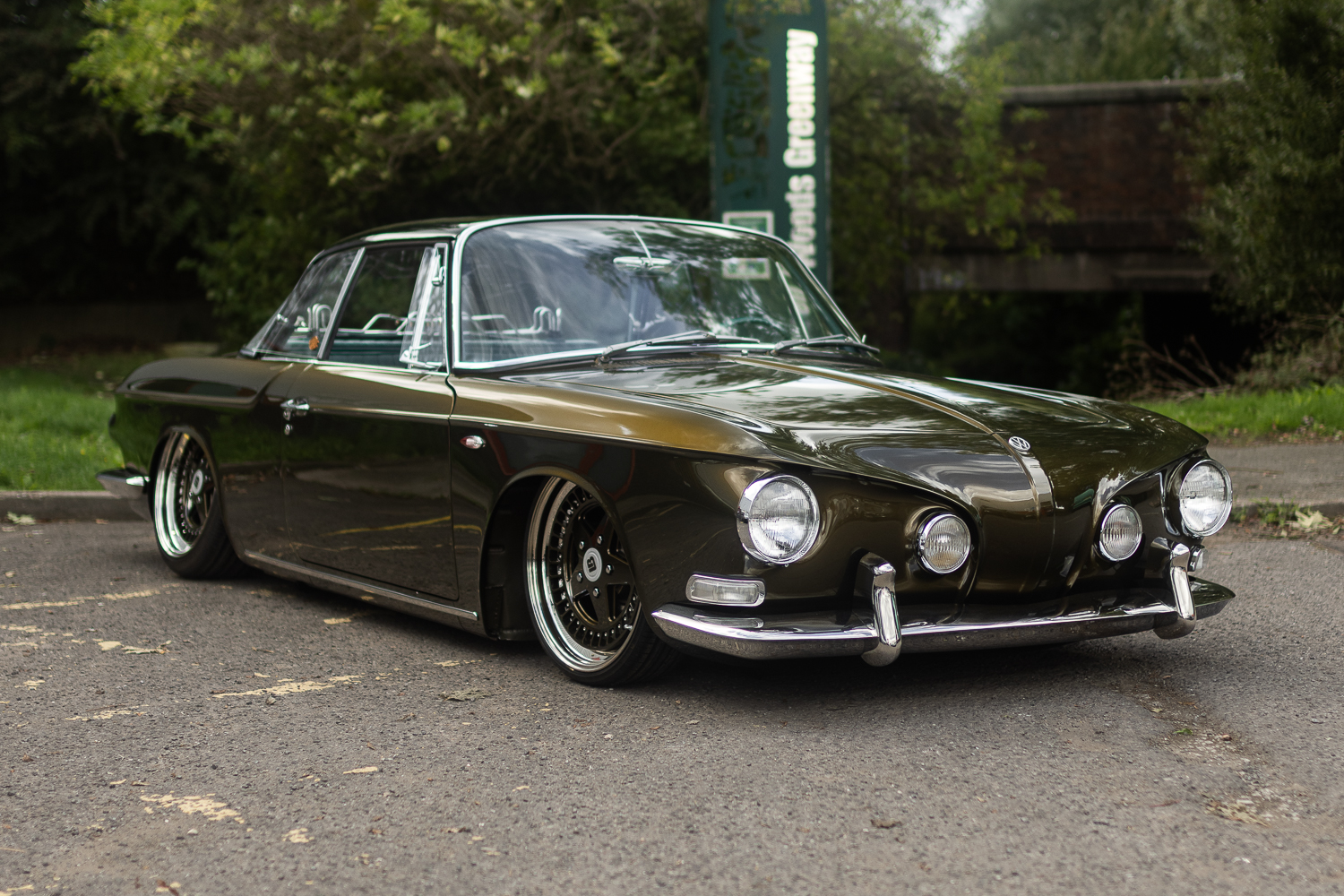
A rare 1964 Type 34 Karmann Ghia, BMW Individual metallic olive paint, an extraordinary chassis specification and a completely bespoke set of 18-inch TUGO split rims. After years in development and just ten weeks to complete the final build, Limebug’s Razor Edge made its VolksWorld debut and came home with a Top 10 award. Its second outing, at AirMighty, brought more silverware.
Probably not one for the purists.
There are certain Volkswagens you’re apparently not supposed to modify.
The rarer they are, the stronger the opinions become.
Find an ordinary late-model Beetle and nobody seems especially surprised when you narrow the beam, fit air suspension and throw some unusual wheels underneath it.
Find a Type 34 Razor Edge, however, and the conversation changes considerably.
Original colour?
Factory wheels?
Unmodified suspension?
All very sensible suggestions.
Unfortunately, we’d already decided ours was going to be metallic olive, with a black roof, a teal interior and a set of eighteen-inch wheels that didn’t yet exist.
And that was before we got to the chassis.
Project RZR became one of Limebug’s most ambitious builds, bringing together traditional Type 34 coachwork with some of our most developed suspension, braking and wheel technology.
It took years to reach the final assembly stage.
Then, rather suddenly, we found ourselves with only two and a half months to finish it.
Because apparently we hadn’t learned enough from building The 49.
The other Karmann Ghia
Sharp enough to earn a nickname
Introduced in 1961, the Type 34 was Volkswagen’s more expensive and rather more unusual interpretation of the Karmann Ghia.
Unlike the familiar, rounded Type 14, it was developed around the Type 3 platform and wore completely different bodywork.
Sharper lines.
A more formal roof.
Distinctive front lighting.
And a shape that looked unlike anything else Volkswagen was producing.
It wasn’t a cheap car when new, and production remained comparatively limited.
Today, good examples are rare.
Correct original components can be difficult to find, and even straightforward restoration work demands more patience than with a typical Beetle.
Naturally, we thought it would make a perfect custom project.
An American chapter
Our car was a German-built 1964 Type 34, originally configured as a left-hand-drive, push-button-dashboard example.
The original specification included off-white paintwork, a 1500cc engine, six-volt electrics, wide-five wheels and a fixed roof.
It had been exported and converted to American-market specification during its earlier life.
By the time it became a Limebug project, we had an opportunity to create something very different.
Not simply a restored Razor Edge.
A car that could demonstrate how far our engineering had developed.
The colour decision
Definitely not on the Volkswagen chart
From the beginning, we knew the paintwork needed to be something special.
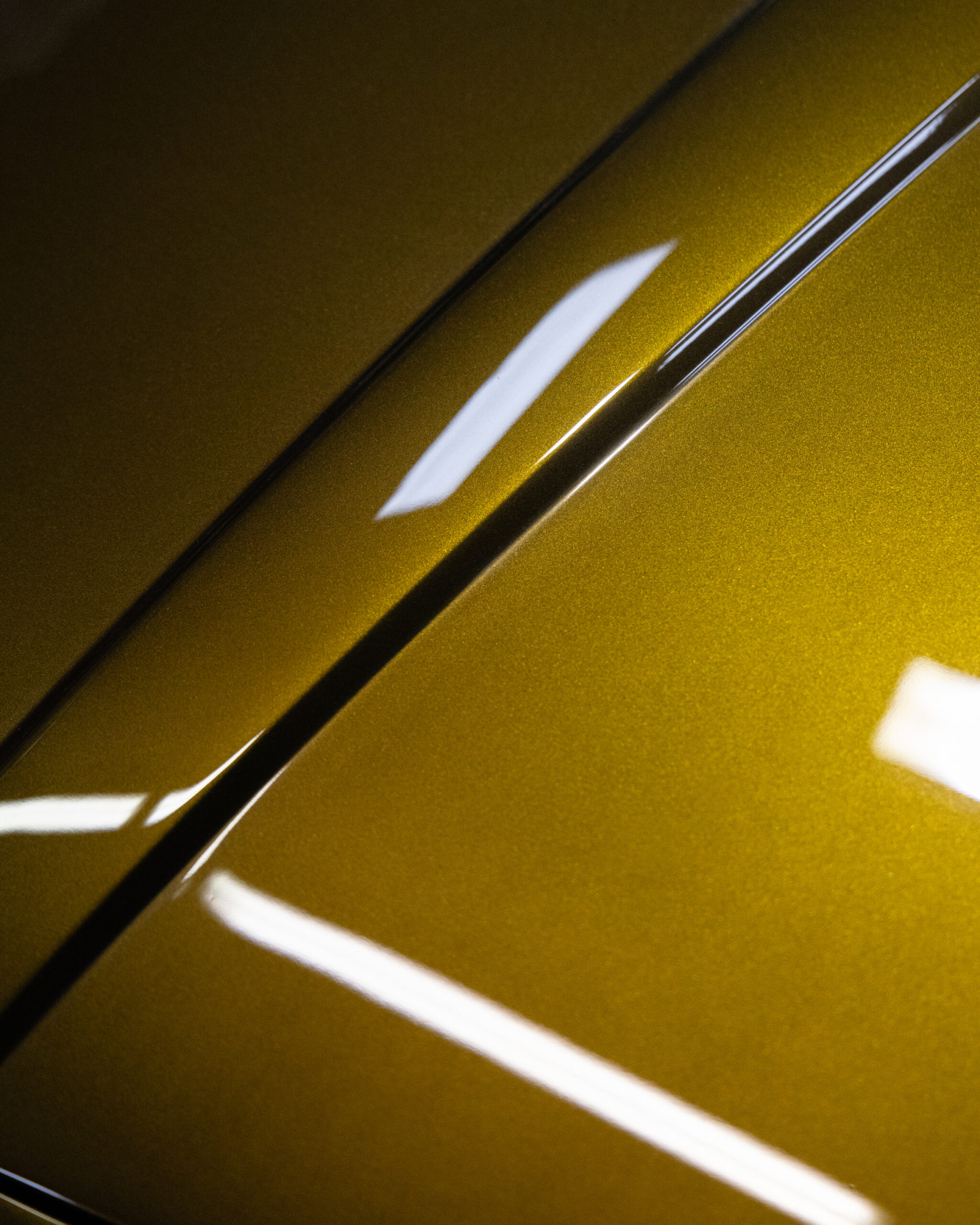
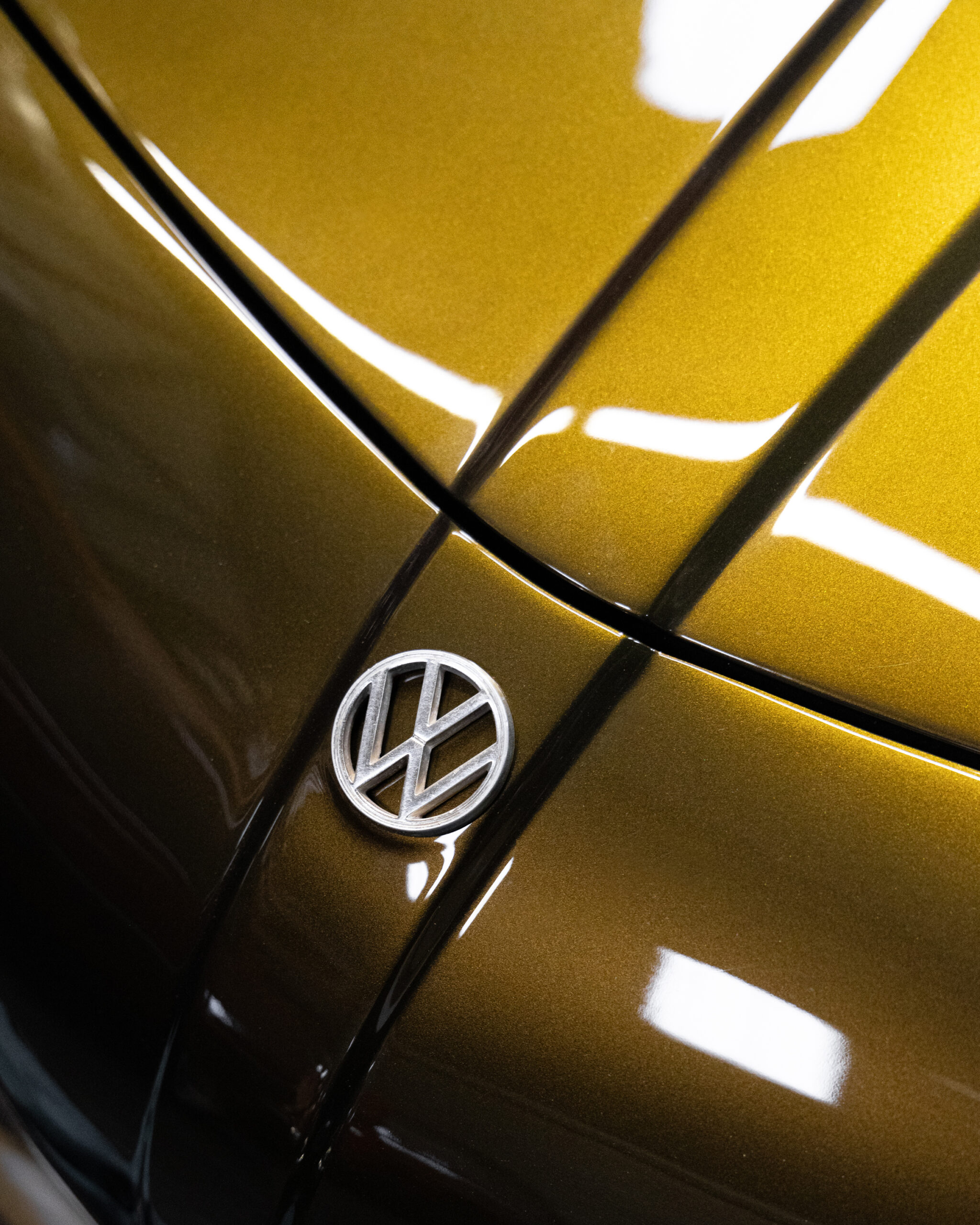
The Type 34’s angular bodywork responds beautifully to light, and we wanted a finish that would emphasise those sharp lines rather than disguise them.
So we abandoned the original Volkswagen colour chart.
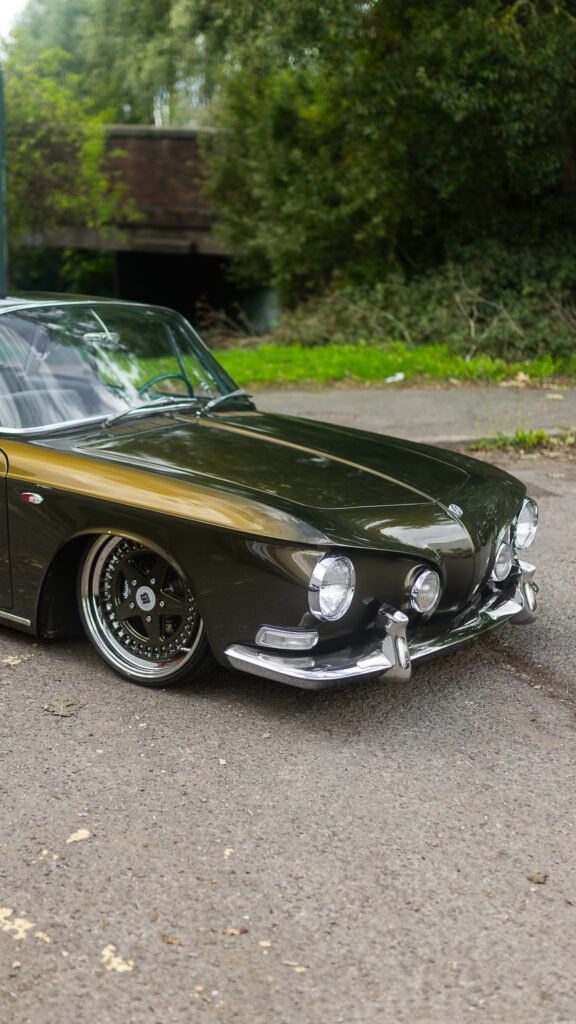
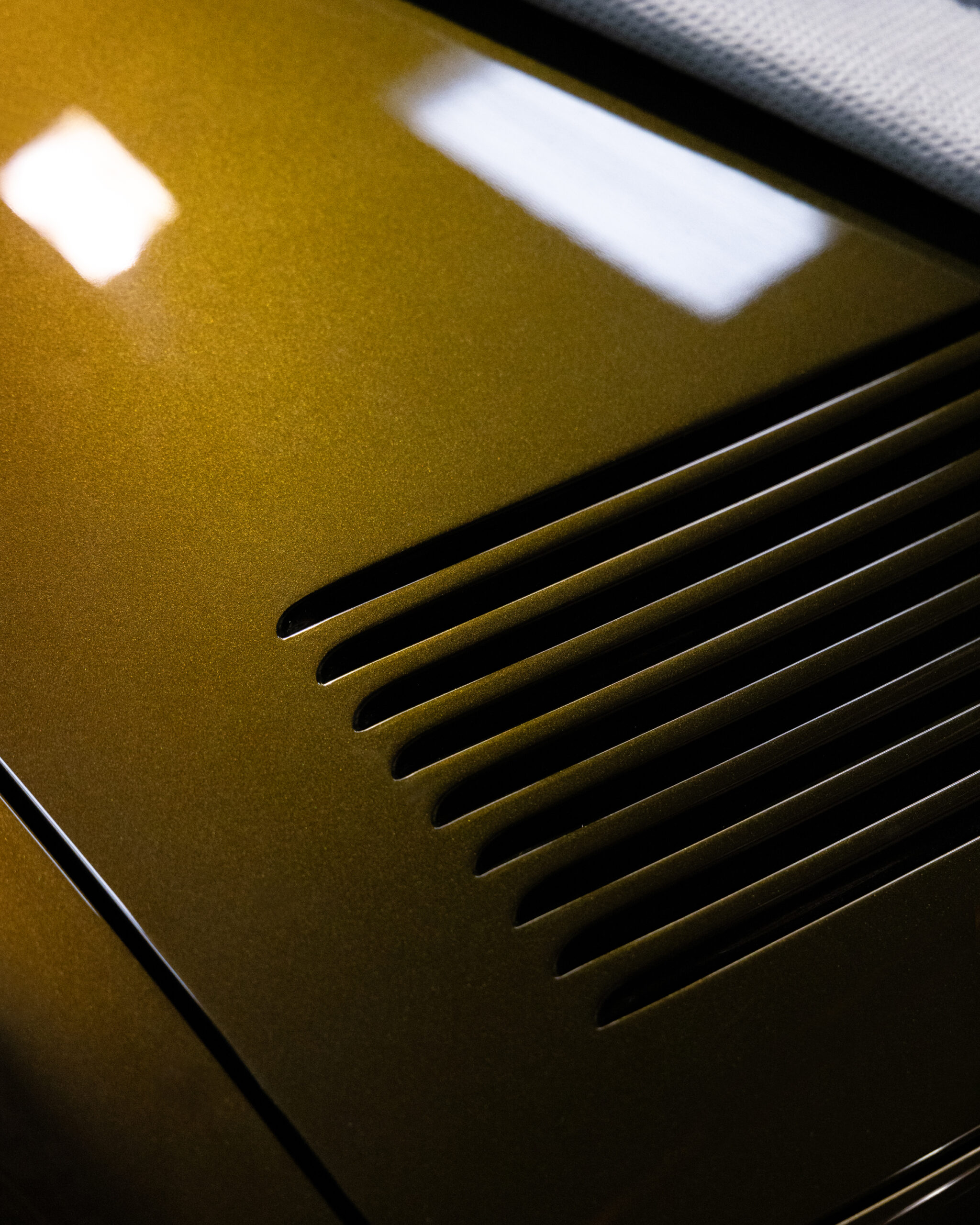
After plenty of samples, conversations and changes of opinion, we settled on a BMW Individual metallic olive.
Rich, unusual and particularly effective against the car’s sculpted panels.
A contrasting black roof completed the combination.
The result was bold without changing the fundamental identity of the vehicle.
It still looked unmistakably like a Type 34.
Just not one that had ever appeared in a Volkswagen showroom.
DC Customs takes over
In 2021, the shell went to DC Customs for its full coachwork restoration and paintwork.
We already knew the standard of their work from previous Limebug projects, and the Razor’s unusual body shape demanded that level of attention.
Straight panels and crisp styling lines leave very little room for imperfections.
Every transition becomes noticeable.
Every gap matters.
And the finished paint needs to work across broad surfaces that expose even minor preparation problems.
The results were exceptional.
But restoring the shell was only half the difficulty.
The chrome hunt
Bumpers, overriders and exterior trims were among the most frustrating parts of the project.
The Type 34 was comparatively uncommon even when new.
Six decades later, finding a complete set of acceptable original exterior components is not an exercise for the impatient.
We spent countless hours searching for suitable parts.
Some needed rechroming.
Others required extensive polishing and restoration.
And every missing piece seemed to create another evening of searching.
But those original details were essential.
The chrome defines the Type 34’s shape and provides a beautiful contrast against the metallic olive bodywork.
We might have ignored Volkswagen’s original colour choices, but we certainly weren’t going to abandon the exterior identity that made the Razor so special.
The car under the cover
Waiting for its moment
By 2022, the project had reached a familiar stage.
The bodywork had been developed.
We had accumulated parts.
The overall vision was clear.
And the unfinished car was sitting under a cover at the back of the workshop.
Other work kept getting in the way.
The business carried on.
And Project RZR became one of those jobs we kept promising ourselves we’d return to.
After the 3,500-hour ordeal that had been The 49, perhaps we were understandably reluctant to begin another enormous final assembly.
Eventually, though, enough was enough.
We decided to finish it.
There was just one small complication.
VolksWorld was only two and a half months away.
Ten weeks
The decision transformed the workshop almost overnight.
We needed to complete the chassis, suspension, braking, final assembly and all the countless smaller tasks involved in turning a collection of restored components into a working car.
And we wanted it ready for one of the most important Volkswagen shows of the year.
It was an ambitious deadline.
Possibly an unreasonable one.
But it certainly concentrated everybody’s attention.
Cut. Weld. Sand. Repeat.
Back to the floorpan
The original floorpan was in reasonably good condition, although it still required a series of repairs.
Small sections were cut out and replaced.
Welds were dressed.
Surfaces were worked until the repairs blended neatly into the original structure.
Then another area would need attention.
Cut.
Weld.
Sand.
Repeat.
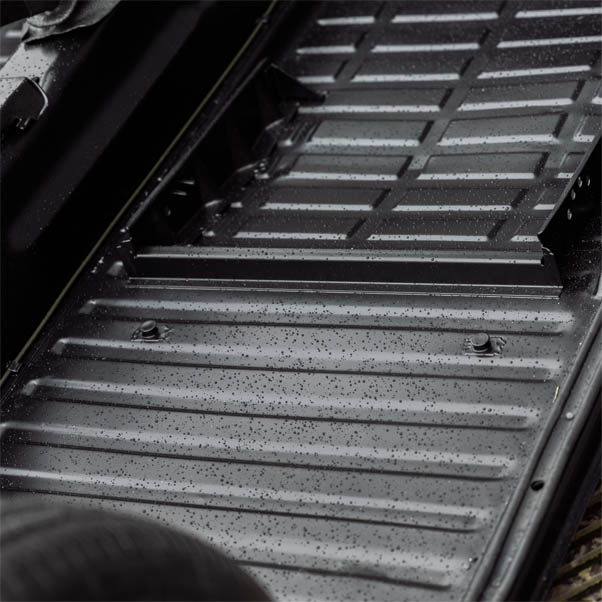
After one of the more repetitive weeks in the workshop, the pan was sent for primer.
That first coating revealed the remaining imperfections, allowing us to complete the final preparation before applying a satin-black powder-coated finish.
The result was deliberately understated.
A clean foundation for the much more elaborate suspension and braking components that would follow.
Building the rear
Short torsion bars and the Revolution
The rear suspension was developed around the intended wheel fitment.
We needed the ability to achieve substantial lowering and tuck the wheels correctly beneath the Type 34 bodywork.
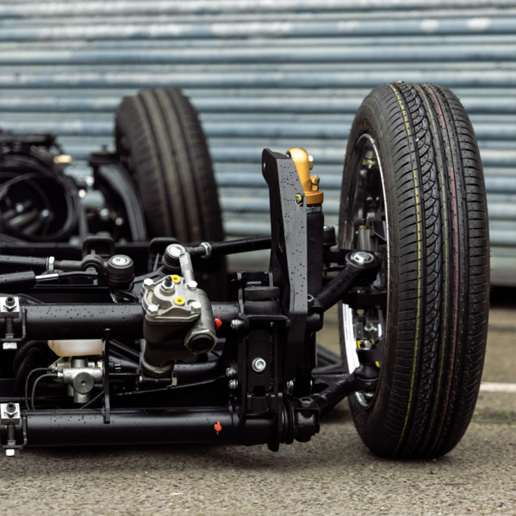
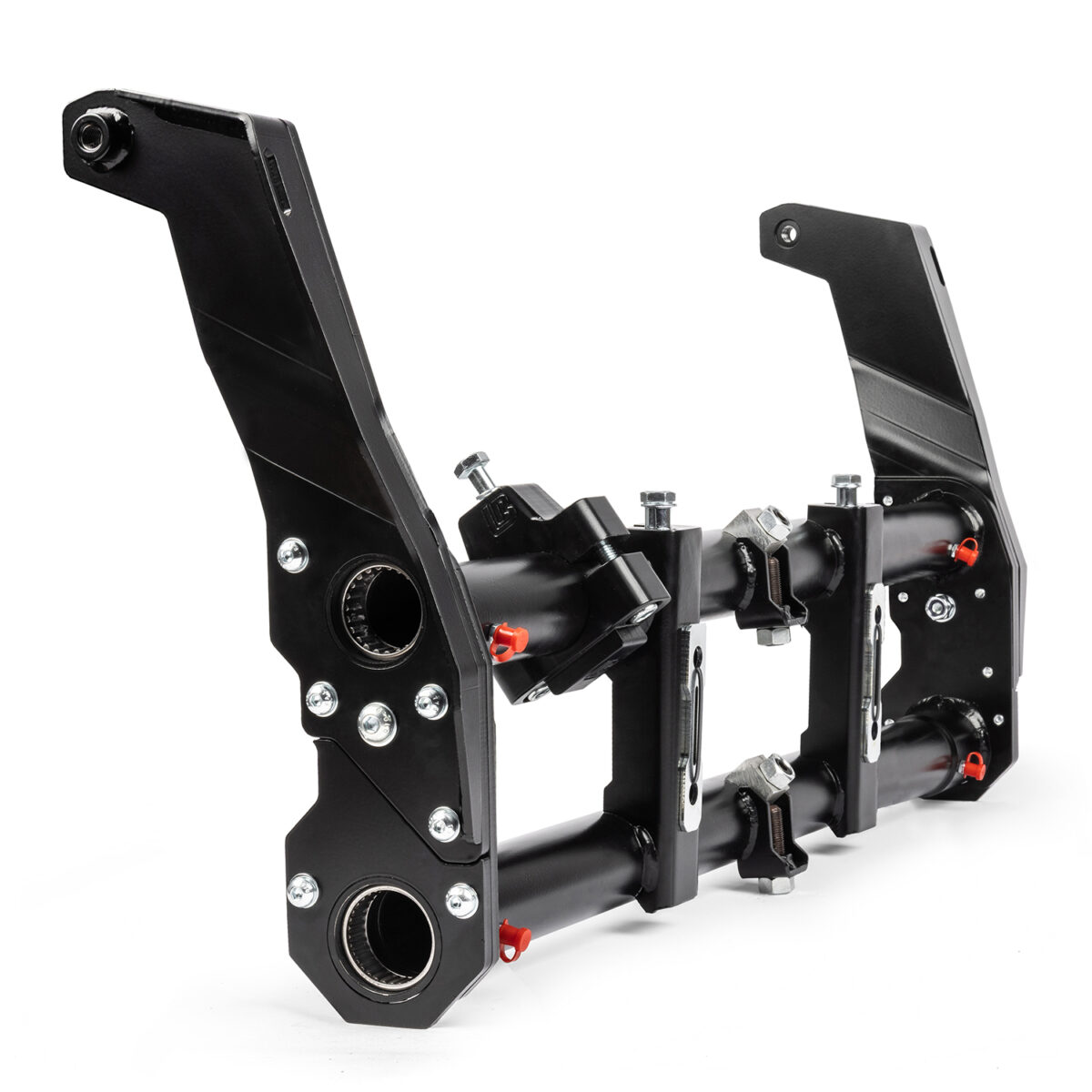
The arrangement incorporated short torsion bars, 2-inch swing-axle air spring plates and Limebug’s Revolution bolt-on cantilever rear air suspension.
The Revolution provided the adjustable rear setup we wanted, while allowing the installation to be carefully packaged beneath the car.
Associated components were also refreshed or upgraded during assembly.
The aim was to complete the rear end as one properly considered system.
Not simply fit a lowering kit and hope the rest of the components were good enough.
The finished arrangement would eventually work around a set of eight-inch-wide rear TUGO wheels.
Which made getting the suspension geometry and available clearance right particularly important.
Four inches narrower at the front
An Elite Series conversion
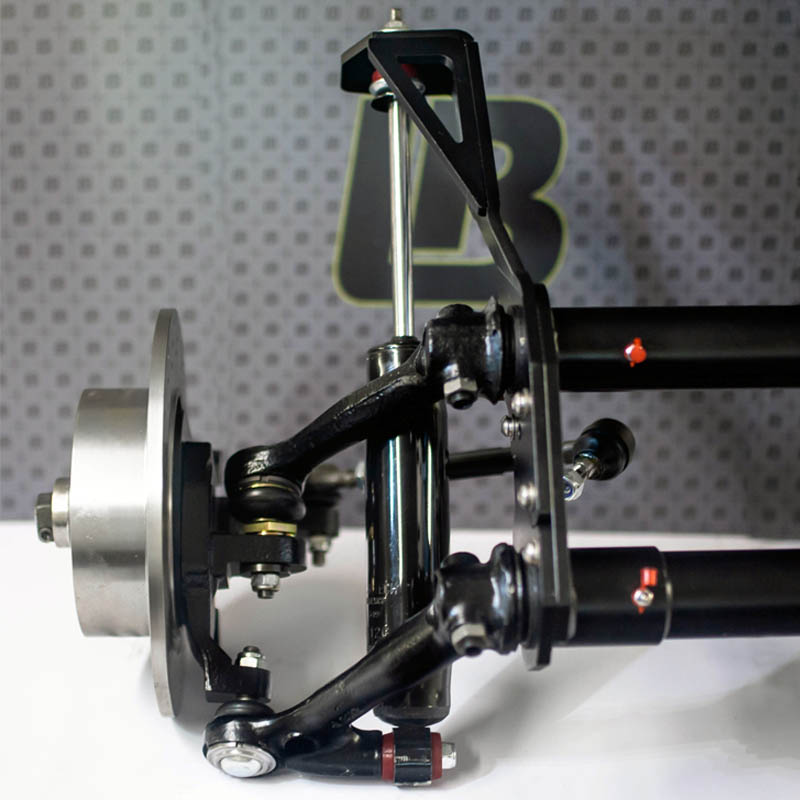
The front end received a 4-inch narrowed Type 3-to-Beetle conversion beam, developed around our Elite Series engineering.
The conversion allowed us to use compatible Beetle-style dropped spindles while achieving the track width needed for the finished wheels.
It also incorporated outer bearing support rather than the Delrin bushing arrangement associated with earlier beam designs.
That development was intended to improve trailing-arm movement and consistency.
Two-way caster adjustability provided further scope to refine the front geometry.
But narrowing an axle introduces its own steering considerations.
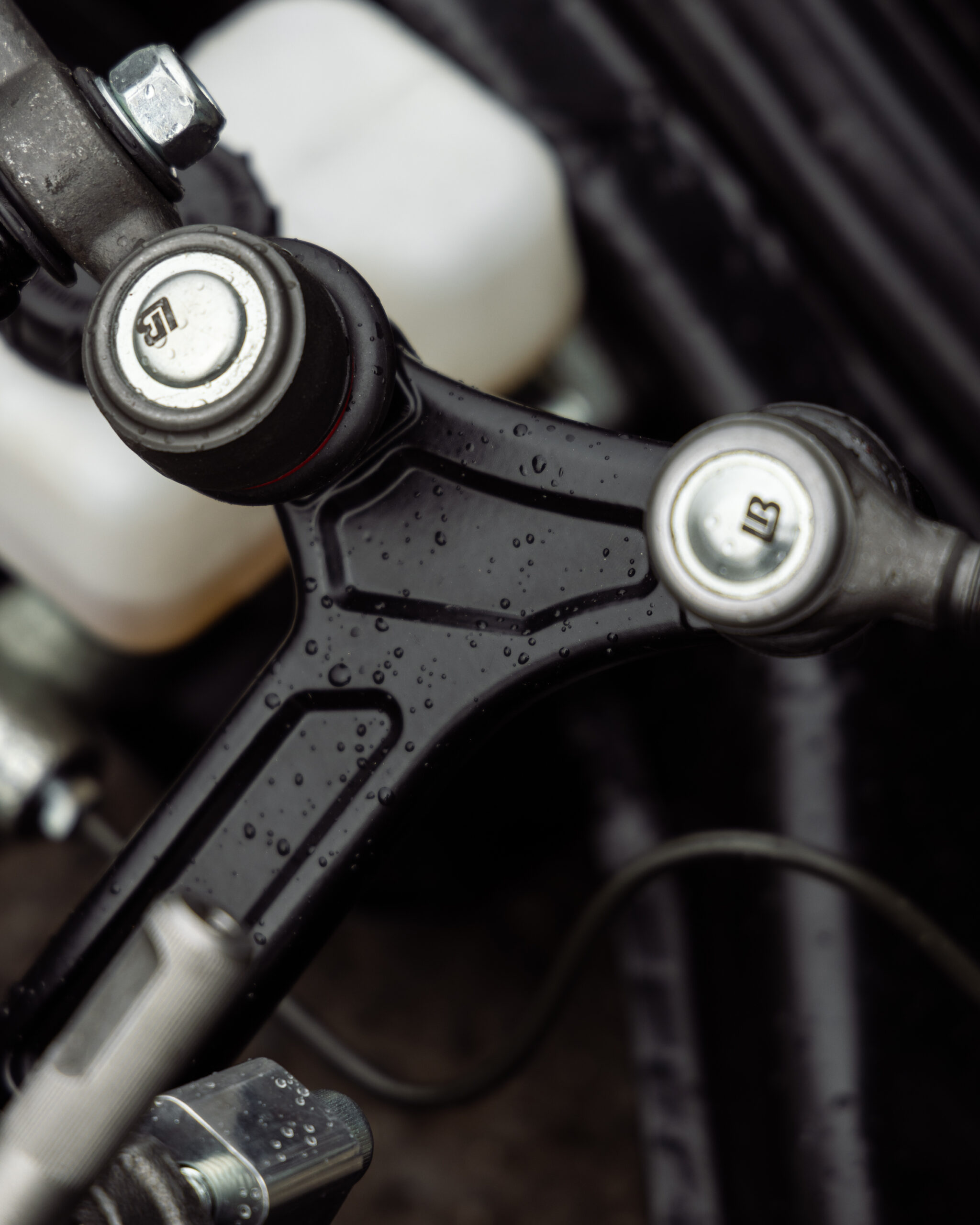
So the installation also included our Ultrarm steering-angle corrector, alongside fresh track rods and rod ends.
With the steering addressed, we could concentrate on ride height.
MOA430s and dropped spindles
The front suspension was completed with 2.5-inch dropped disc spindles and Limebug MOA430 air shocks.
We’d already used the MOA430s on several Limebug and customer vehicles, so they were a familiar choice.
The combination provided the lowering arrangement needed for the Razor while working within the wider beam and steering specification.
It was a particularly satisfying point in the build.
The car’s unusual front suspension requirements had been addressed through components developed around the intended result.
Rather than a collection of unrelated modifications.
Four-piston Wilwoods. Everywhere.
The Titan treatment
With the suspension assembled, we turned to the brakes.
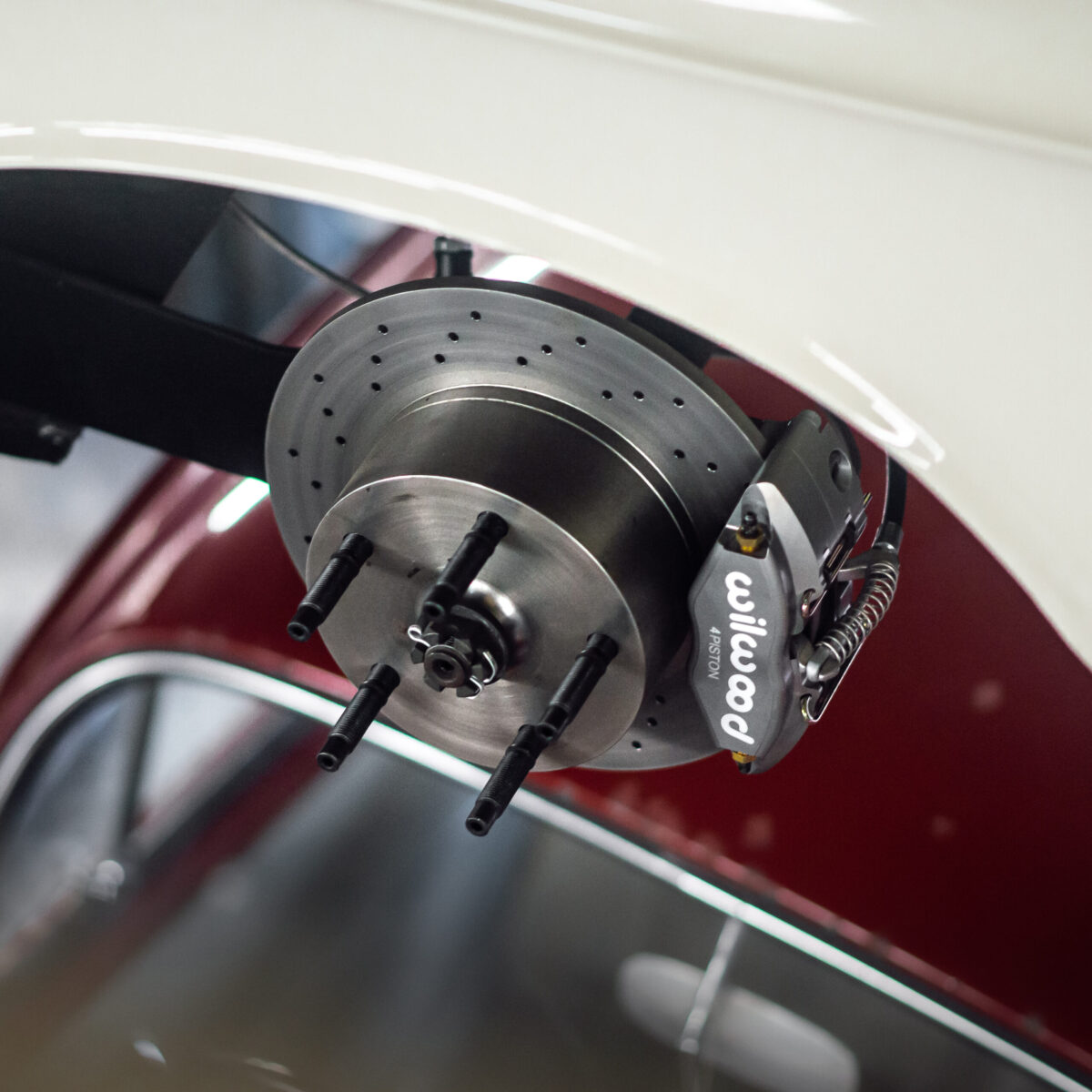
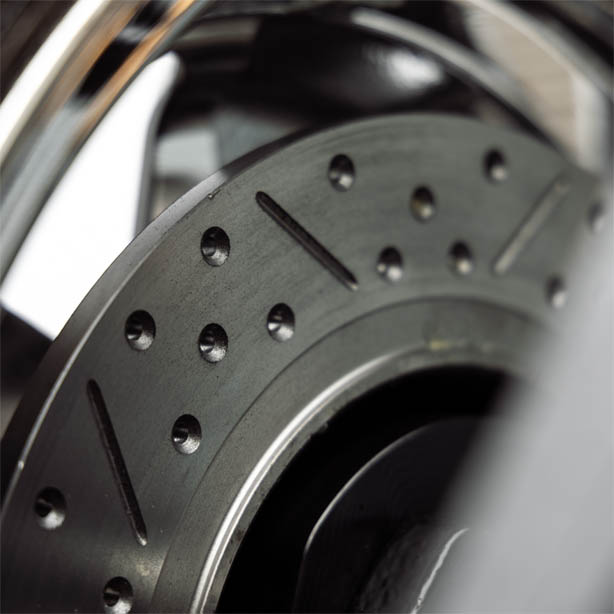
The Razor received Limebug Titan Wilwood disc brake conversions at both the front and rear, using a Porsche 5×130 bolt pattern.
Four-piston callipers were fitted at all four corners, paired with dimpled and grooved discs.
An uprated master cylinder and reservoir completed the hydraulic specification.
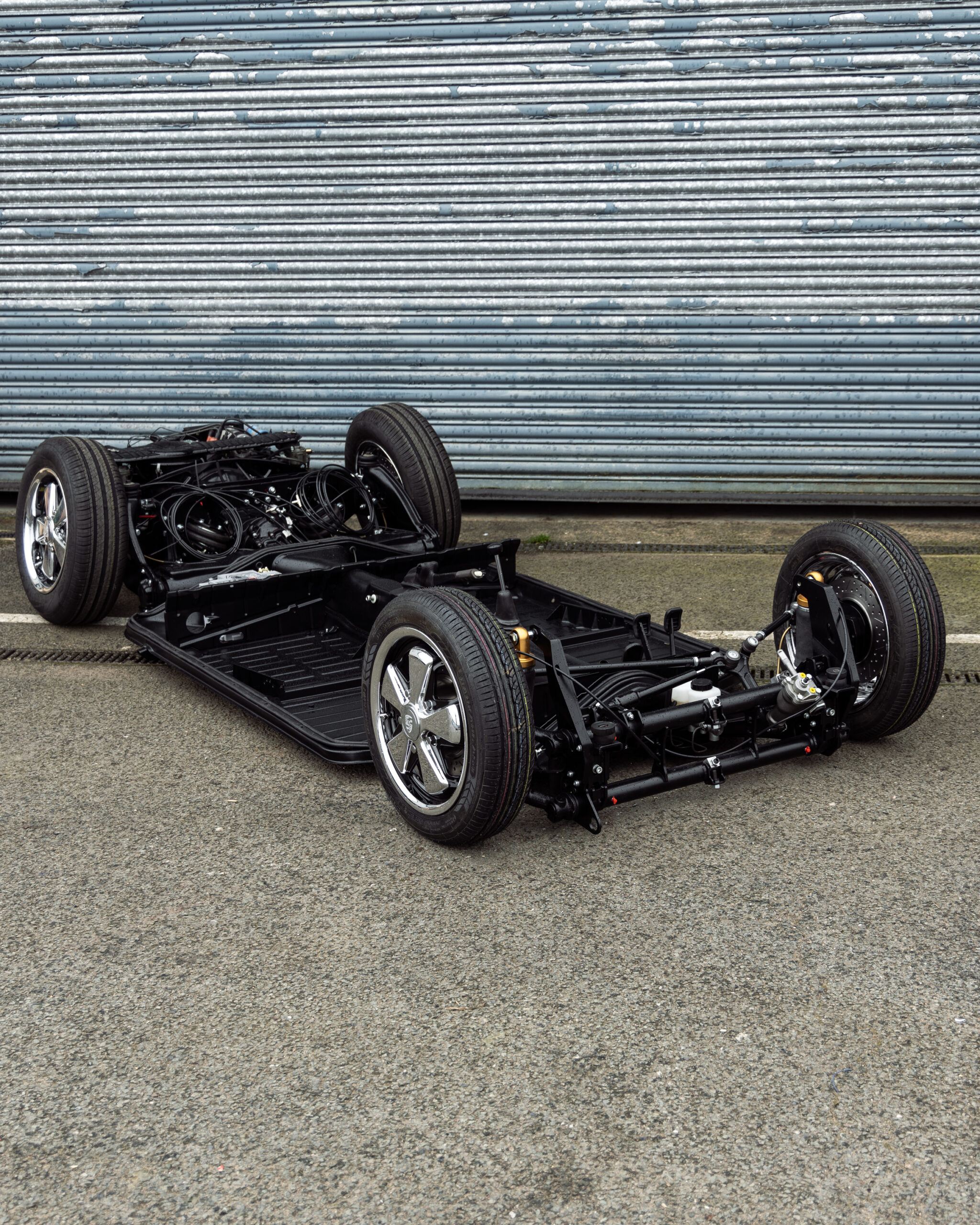
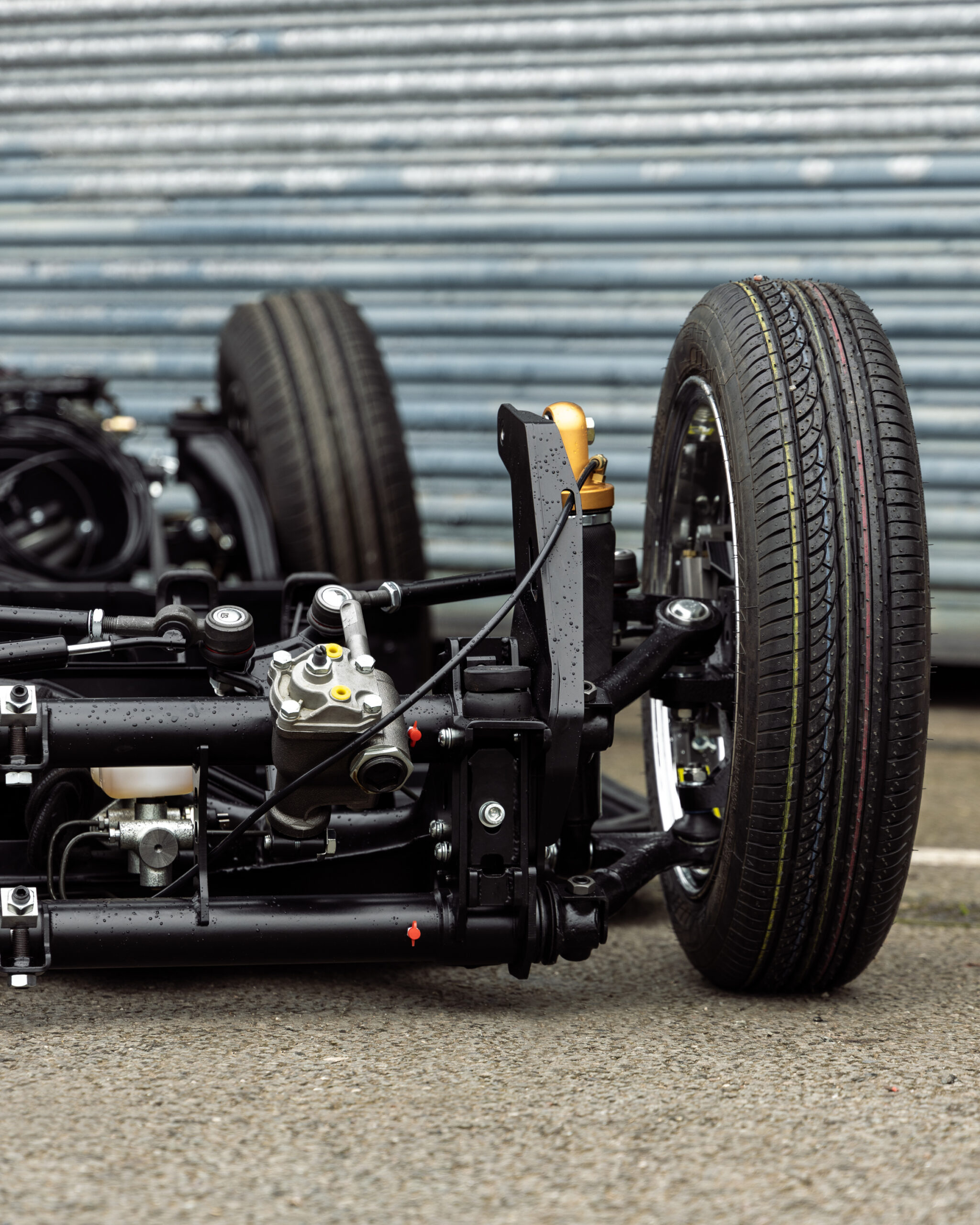
The result was a substantial upgrade from the original 1964 braking system.
And visually, it was exactly what we wanted.
The exposed chassis looked almost too good to cover with a body.
Once everything was assembled, we fitted a temporary set of detailed Fuchs wheels and rolled it out of the workshop.
For the first time in months, we could stand back and appreciate how much work had gone into the pan.
There was still an enormous amount to do.
But at least the project now looked like it might become a car again.
The wheels that didn’t exist
Introducing the TUGO
The final wheels were always going to be one of the Razor’s defining features.
We wanted something that combined several different styling influences without simply copying an existing design.
Classic Borbet and Gotti motorsport wheels.
Turbomac-style vents.
Porsche fan-inspired detailing.
And the familiar architecture of a five-spoke wheel.
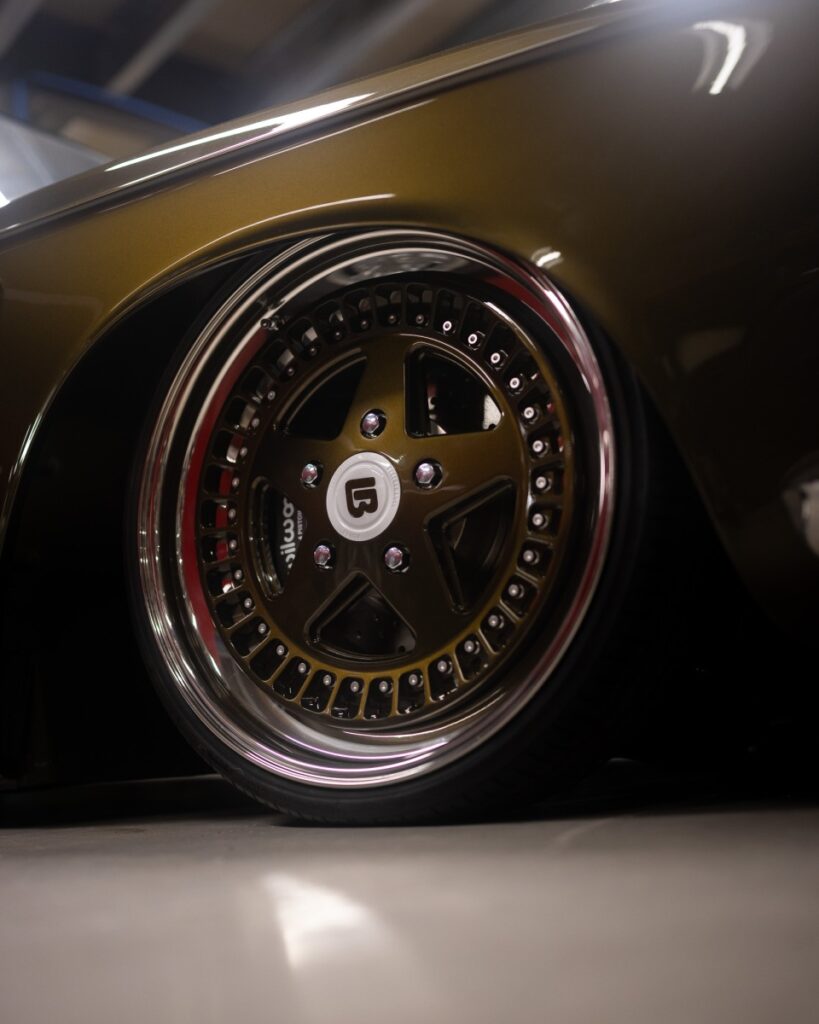
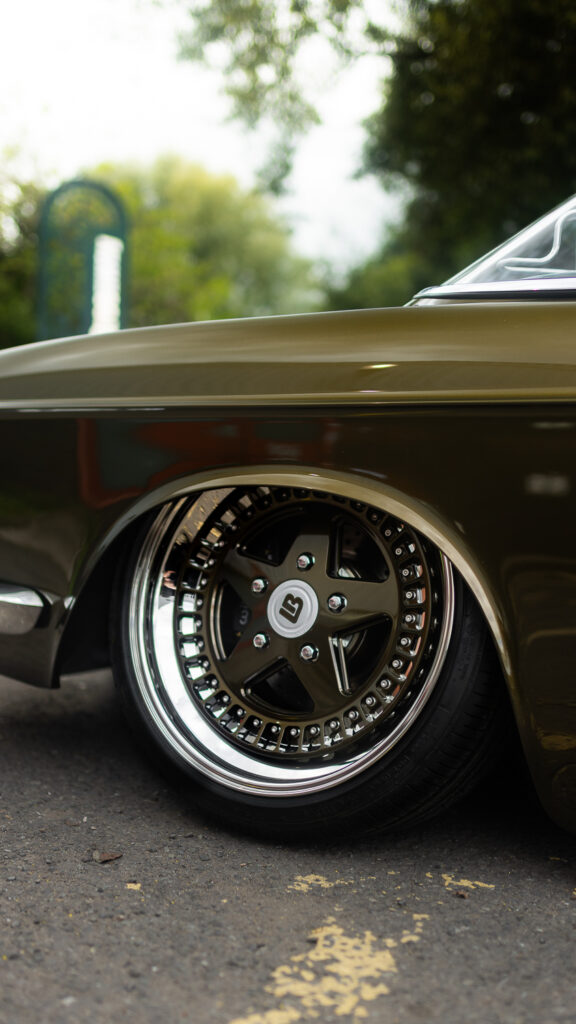
The result was the Limebug TUGO.
A bespoke multi-piece design combining forged wheel centres with floating turbo-vent details and a distinctive stepped rim construction.
The hardware was designed to sit flush, keeping the wheel face visually clean despite the complexity of the assembly.
It was one of the most ambitious wheel designs we’d developed.
And the Razor would be its debut vehicle.
Eighteen-inch triple-step construction
The TUGO used an 18-inch triple-step design, incorporating stainless Radinox step-up outer lips and 34-bolt BBS-style assembly hardware.
The design was intended to introduce a larger wheel diameter without abandoning the appearance of a traditional modular motorsport wheel.
The proportions took considerable development.
The centre shape needed to work with the stepped outer rim.
The vent details needed to complement the five-spoke architecture.
And the finished dimensions had to fit the Razor’s carefully developed suspension.
This wasn’t simply an existing wheel enlarged to eighteen inches.
It was designed around the car from the beginning.
Six inches. Eight inches. No tubs.
The final TUGO specification was staggered.
Front: 18×6 inches, with 2-inch Radinox outer lips.
Rear: 18×8 inches, with 2.5-inch Radinox outer lips.
Both ends used the Porsche 5×130 bolt pattern to match the Titan Wilwood brakes.
The fully forged centres were colour-matched to the metallic olive bodywork.
That detail brought the whole exterior specification together.
The wheels felt like part of the original design rather than an accessory chosen after the car had been painted.
Perhaps the most satisfying aspect, however, was what we didn’t need to modify.
The wheel and suspension combination was developed to fit without tubbing or significant body modifications simply to accommodate the larger wheels.
On a rare Type 34, that mattered.
The fitment was achieved through careful consideration of beam width, suspension packaging and wheel dimensions.
Not by cutting away everything that got in the way.
Olive outside. Teal inside.
An unexpected combination
If the exterior was bold, the interior wasn’t exactly going to be restrained.
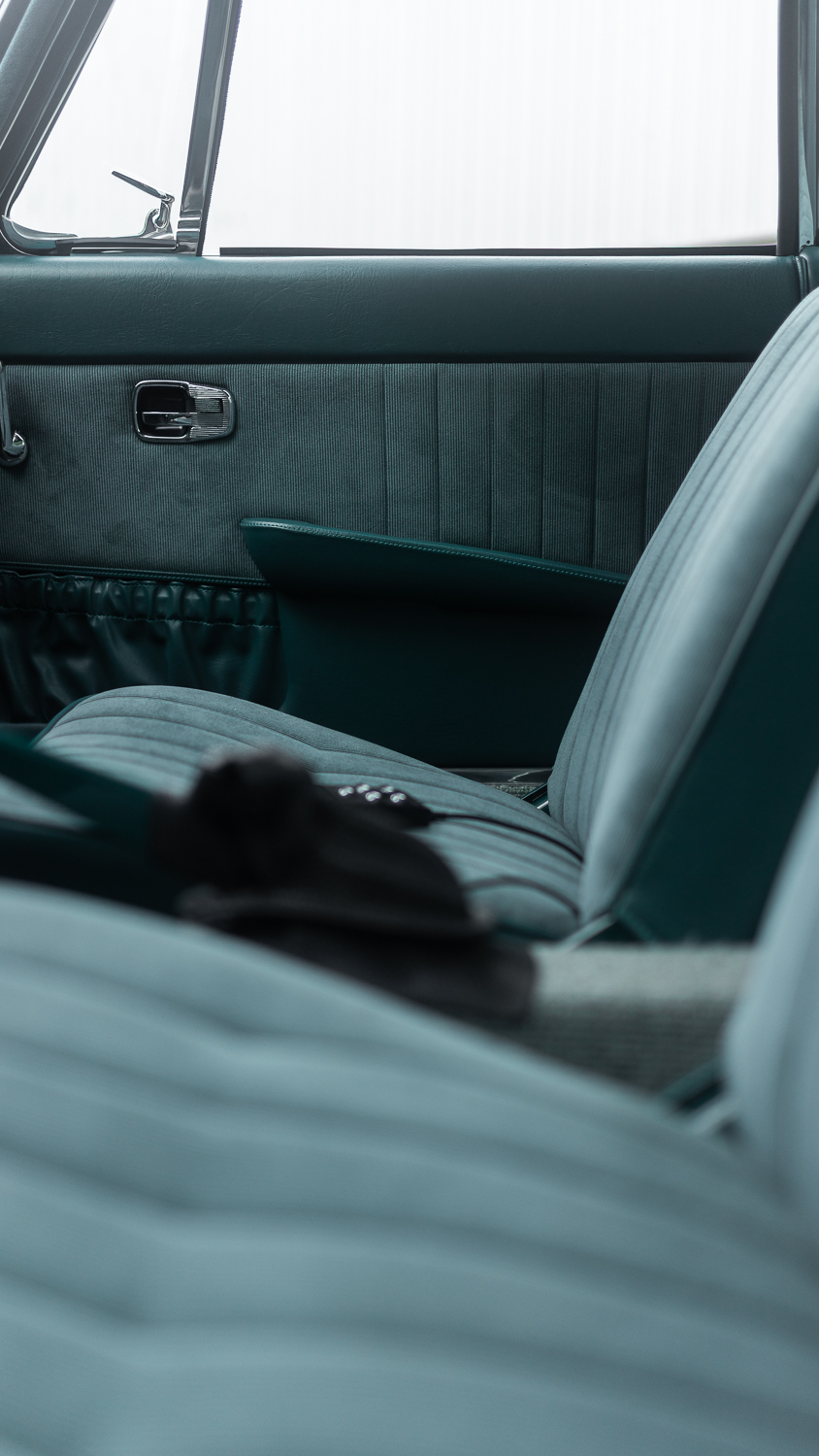
We chose a full teal interior to contrast with the metallic olive bodywork.
It was an unusual combination.
And one that attracted plenty of discussion before everything came together.
But against the metallic green exterior and black roof, the teal provided exactly the character we wanted.
The original early push-button dashboard helped retain the identity of the 1964 car.
Rather than replace the cabin with a modern design, we used the original architecture as the basis for something much more individual.
The result felt distinctive without losing the unmistakable Type 34 atmosphere.
Twelve volts and modern air management
The original six-volt electrical system was converted to twelve-volt operation, providing a more practical foundation for the car’s modern equipment.
Air management was handled through a Prazis Piano Valve system, controlling the adjustable front and rear suspension.
Together, those details completed a vehicle that looked unmistakably sixties from the outside but incorporated a very different level of mechanical technology underneath.
Now we just had to finish assembling everything.
Before VolksWorld.
The final push
The closing weeks were exactly what you’d expect from a major build on an unreasonable deadline.
A seemingly endless collection of small jobs.
Electrical connections.
Trim adjustments.
Suspension checks.
Final fittings.
And components that had been perfectly straightforward to install until another part of the car was fitted around them.
The body and chassis finally came together.
The teal interior was completed.
The TUGO wheels went on.
And for the first time, we could see the finished combination we’d been imagining for years.
Metallic olive.
Black roof.
Teal upholstery.
Eighteen-inch forged split rims.
And a stance that transformed the entire appearance of the Type 34.
After spending so long under a cover, the Razor was finally ready for its public debut.
VolksWorld — The debut
The final Sandown-era chapter
VolksWorld had always been important to Limebug.
It was where The 49 had won Best of Show in 2019, and the event had long been a showcase for some of the finest air-cooled builds in Britain and Europe.
Project RZR made its debut during the closing chapter of VolksWorld’s traditional Sandown Park era.
For us, that made the occasion particularly meaningful.
The Razor had been a long-running project, and there were times when it felt as though we’d never reach the point of actually exhibiting it.
But the finished car attracted considerable attention.
The paintwork.
The unusual interior.
The exposed engineering.
And particularly the debut of the 18-inch TUGO wheels.
The judges recognised the work that had gone into the complete build.
Project RZR was awarded a place in the VolksWorld Top 10.
A remarkably satisfying outcome for a car that had been sitting unfinished at the back of our workshop only months earlier.
AirMighty — The second outing
More silverware
After VolksWorld, the Razor made its second major appearance at AirMighty.
The European event attracts an exceptional collection of air-cooled Volkswagens, making it an ideal opportunity to present the finished Type 34 to another audience.
And once again, the car received award recognition.
More silverware came home with the Razor.
Those two events remain its only major outings since completion, as recorded in our build history.
There’s something rather appealing about that.
Years of development.
An extraordinary final assembly effort.
Two major shows.
And awards at both.
It’s not exactly a car that’s been overexposed.
From one-off wheels to a Limebug product
One of the most important outcomes of Project RZR was the development of the TUGO wheel.
Like several earlier Limebug builds, the Razor created a requirement that our existing range couldn’t fully satisfy.
Instead of compromising, we developed something new.
The TUGO went beyond its original role as a one-off wheel for this particular car and became part of Limebug’s commercial wheel range.
That transition is a particularly good example of how we approach product development.
An idea begins with a real vehicle.
The engineering is developed to meet the requirements of that build.
And if the result has wider potential, it can become something other enthusiasts are able to use.
It’s the same philosophy that has shaped our suspension development over the years.
And the Razor brought several of those ideas together in one vehicle.
The complete build specification
Original vehicle
- 1964 Volkswagen Type 34 Karmann Ghia Razor Edge
- German-built
- Originally left-hand drive
- Early push-button dashboard
- American-market export specification
- Originally off-white
- Original 1500cc engine specification
- Original six-volt electrical system
- Originally wide-five wheels
- Fixed roof, non-sunroof
Coachwork and exterior
- Full coachwork restoration by DC Customs
- BMW Individual metallic olive paint
- Contrasting black roof
- Restored original Type 34 bumpers
- Rechromed and polished trims and overriders
Interior and electrical
- Full teal interior
- Original push-button dashboard architecture
- Twelve-volt electrical conversion
Front suspension
- Limebug 4-inch narrowed Type 3-to-Beetle conversion beam
- Elite Series outer bearing support
- Two-way caster adjustability
- Limebug Ultrarm steering-angle corrector
- Replacement track rods and rod ends
- 2.5-inch dropped disc spindles
- MOA430 air shocks
Rear suspension
- Short torsion bars
- Limebug Revolution Type 3/34 swing-axle cantilever air suspension
- 2-inch swing-axle air spring plates
- Refreshed and upgraded suspension components
Brakes
- Limebug Titan Wilwood front and rear disc brakes
- Four-piston callipers at all four corners
- Dimpled and grooved discs
- Porsche 5×130 wheel bolt pattern
- Uprated master cylinder and reservoir
Air management
- Prazis Piano Valve air management
- Adjustable front and rear air suspension
- Limebug Deluxe Type 3/34 air ride configuration
TUGO wheels
- Bespoke Limebug 18-inch TUGO three-piece split rims
- Fully forged centres
- Five-spoke turbo-vent design
- Metallic olive colour-matched centres
- Triple-step rim construction
- Stainless Radinox outer lips
- 34-bolt BBS-style assembly
- Porsche 5×130 PCD
- Front: 18×6 inches, 2-inch outer lips
- Rear: 18×8 inches, 2.5-inch outer lips
- Developed to fit without body tubbing
Show recognition
- VolksWorld — Top 10 at the car’s debut
- AirMighty — Additional award recognition at its second outing
Not quite how Volkswagen intended.
When this particular Type 34 left Germany in 1964, nobody could reasonably have imagined where it would end up.
It was a comparatively expensive Volkswagen coupe, finished in off-white, with a modest flat-four engine and some of the sharpest styling the company had ever produced.
Decades later, it became one of Limebug’s most ambitious projects.
Restored by DC Customs.
Painted in a BMW Individual metallic olive.
Fitted with an entirely teal interior.
Built around advanced suspension, four-piston Wilwood brakes and a completely original wheel design.
And finally completed in the sort of frantic ten-week period that makes you question your enthusiasm for old Volkswagens.
But the result justified the effort.
A VolksWorld Top 10.
Further recognition at AirMighty.
And a new wheel design that would become part of the Limebug range.
Project RZR was never intended to be a conventional restoration.
Rare by design. Different by choice.
And built to prove just how far a Razor Edge could be taken.