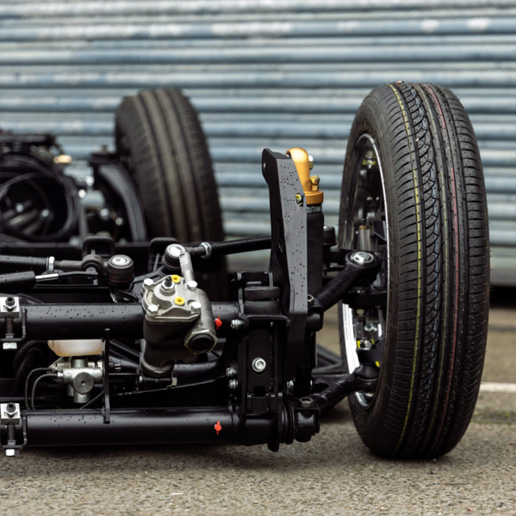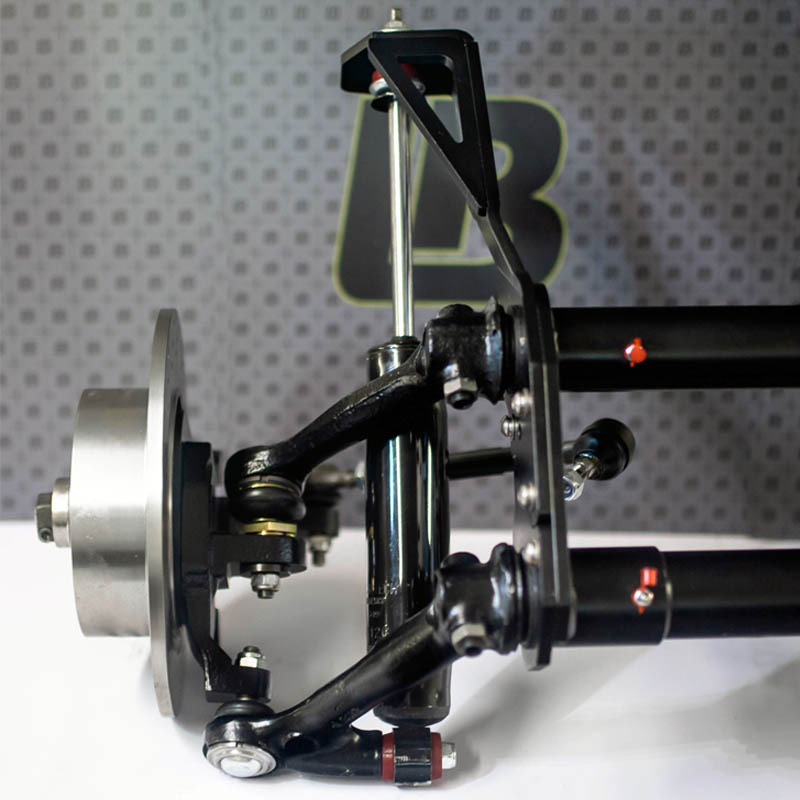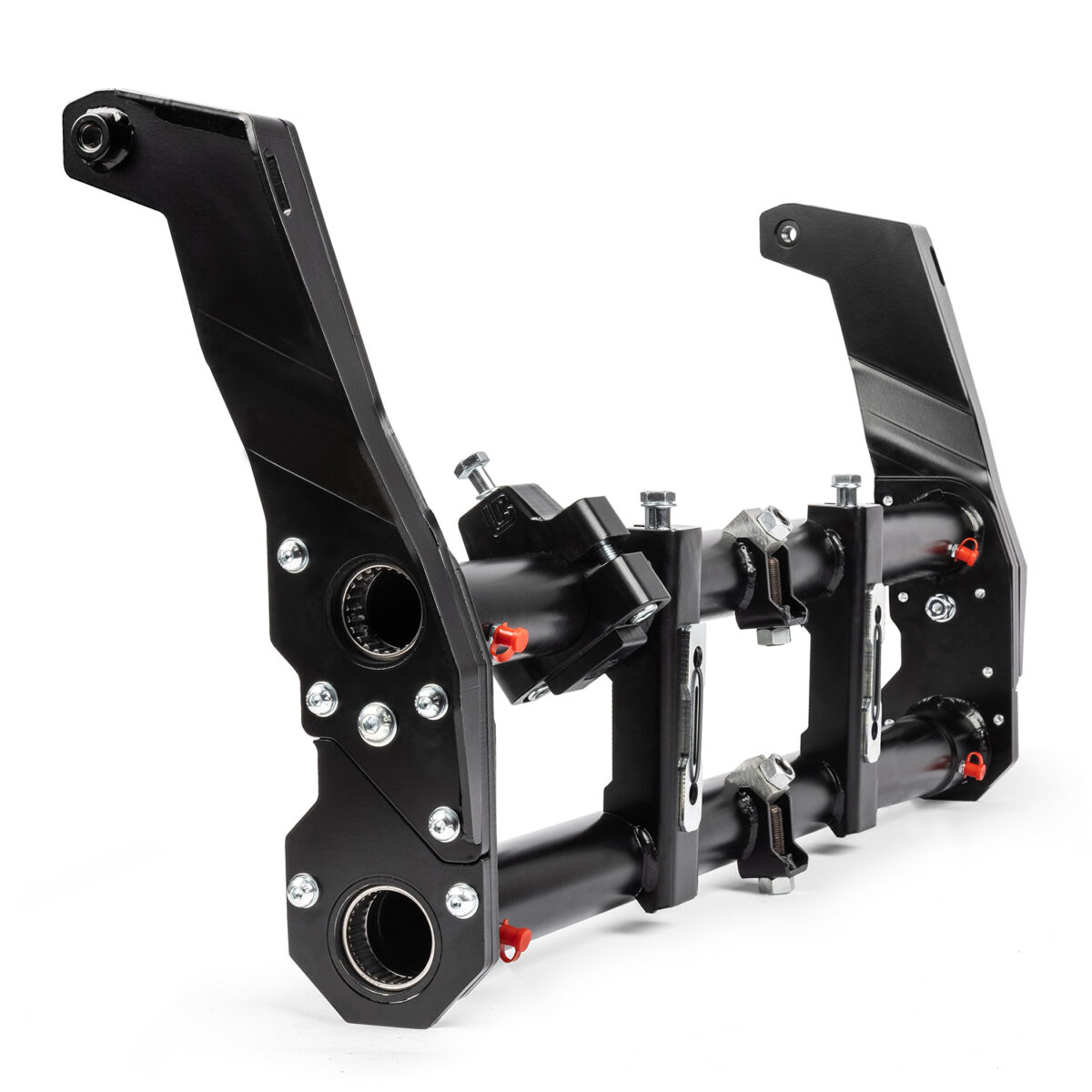

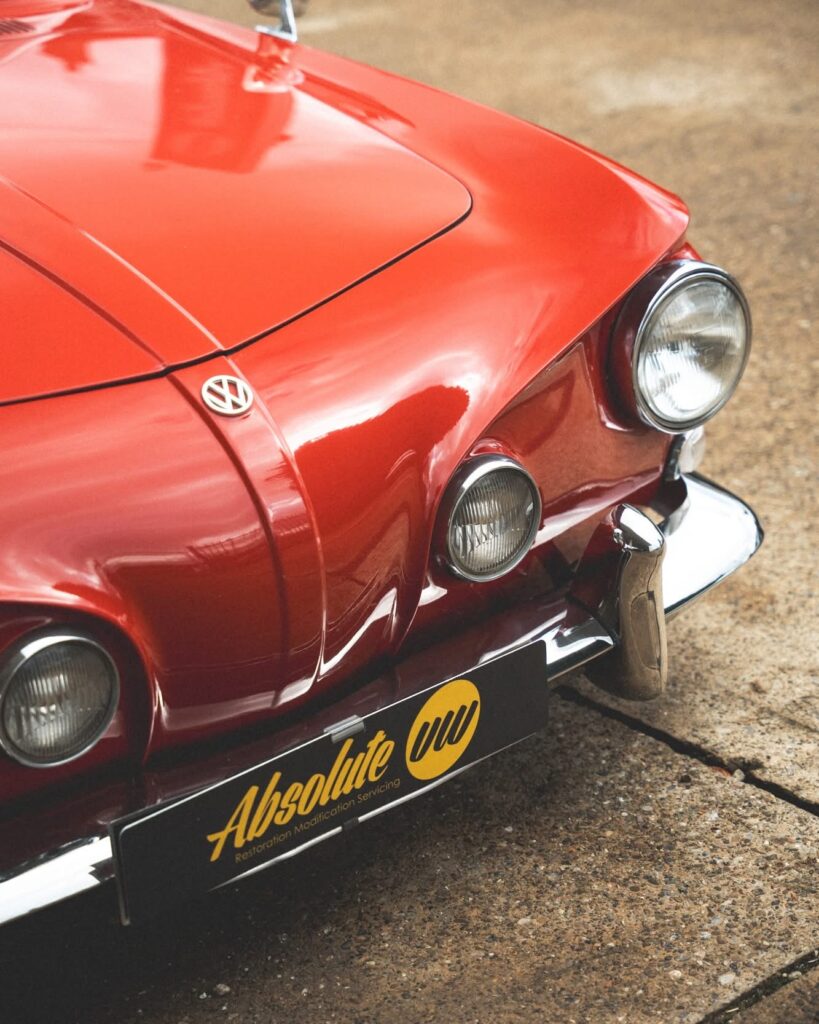
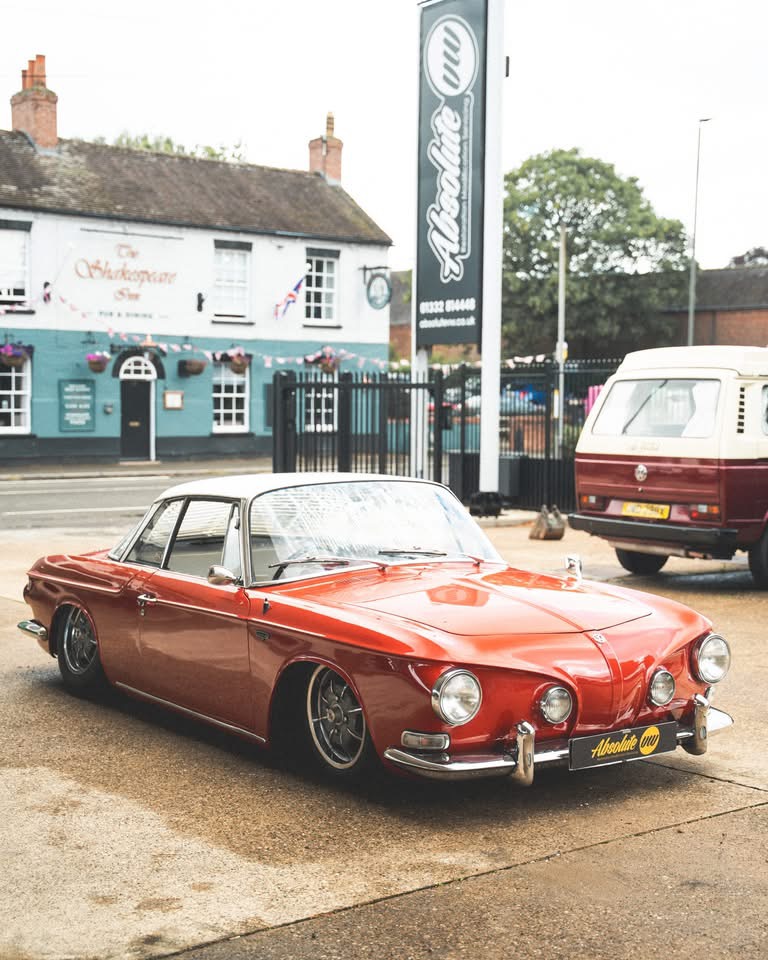
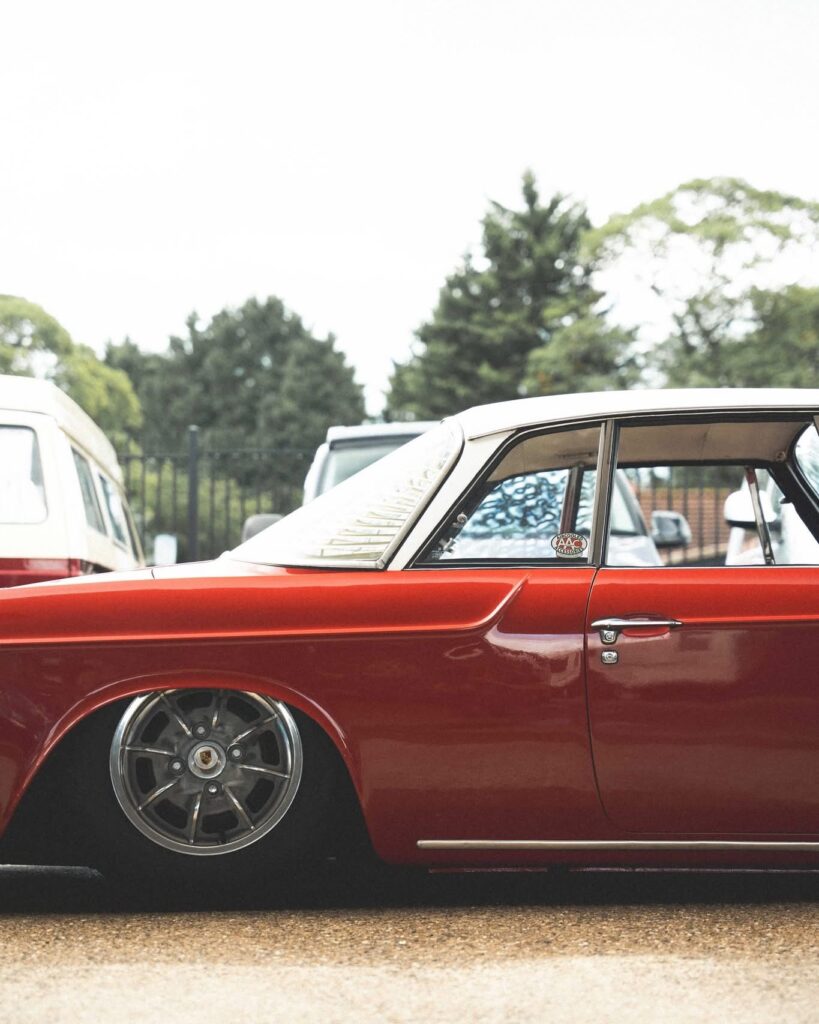
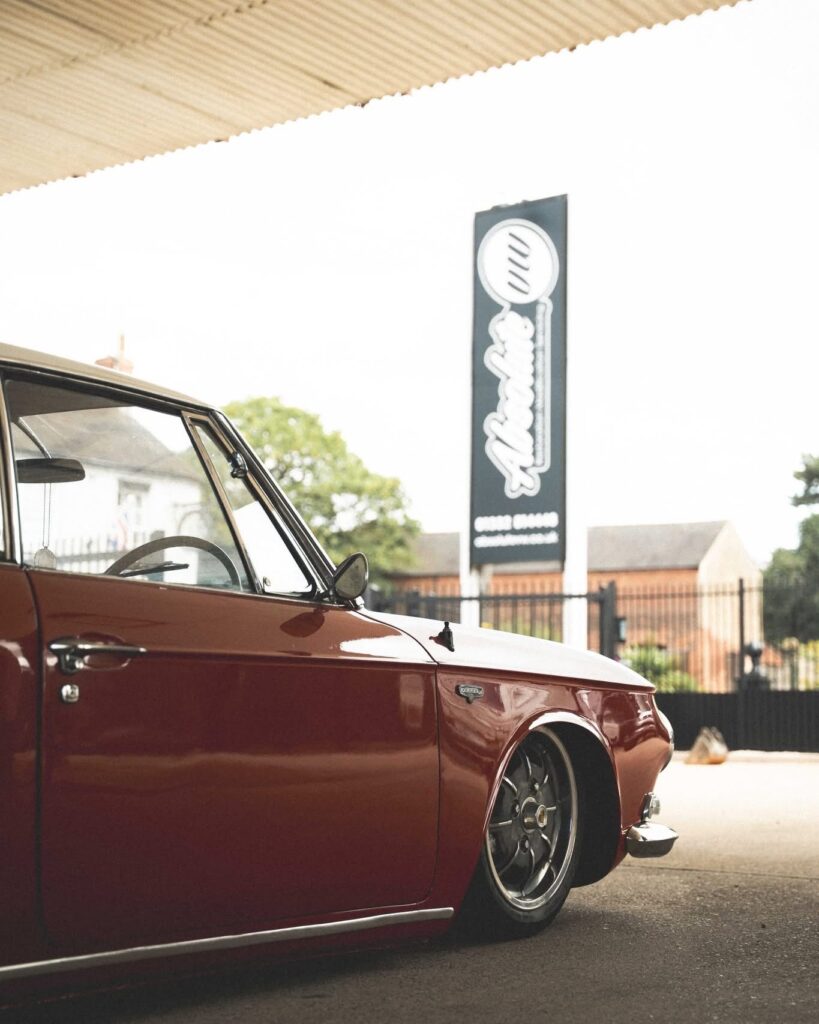
Aircooled Accessories’ Razor Edge puts a real-world finish on the Limebug catalogue, bringing together 1956-74 Type 3 / T34 "The Revolution" Cantilever Swing Axle / IRS Rear Air Ride Kit, Bolt on, 1956-74 Type 3 / 34 4" Narrowed Deluxe Cantilever Swing Axle / IRS Air Ride Kit, Bolt on, Type 3 / 34 4" Narrowed Air Ride Conversion Ball Joint Beam, Jawbreaker Elite Series in one properly resolved setup.
THE FIRST CUT
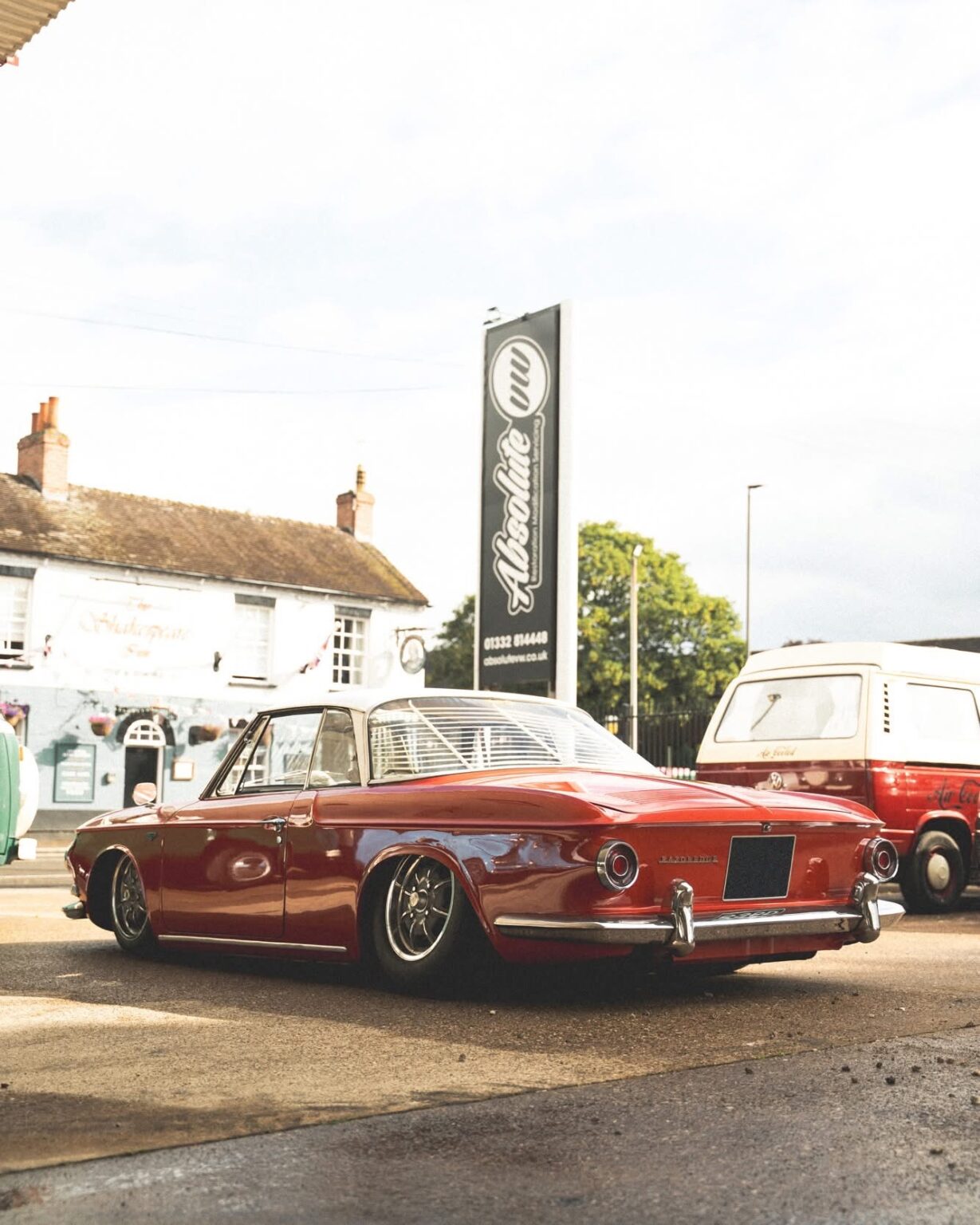
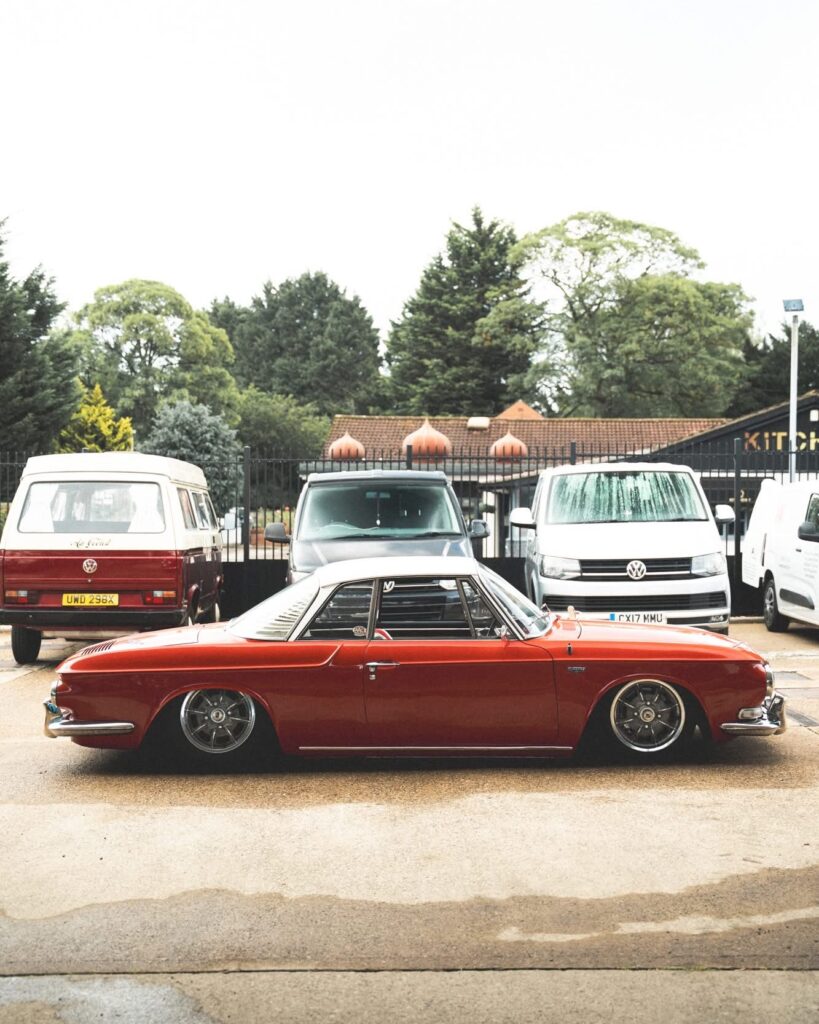
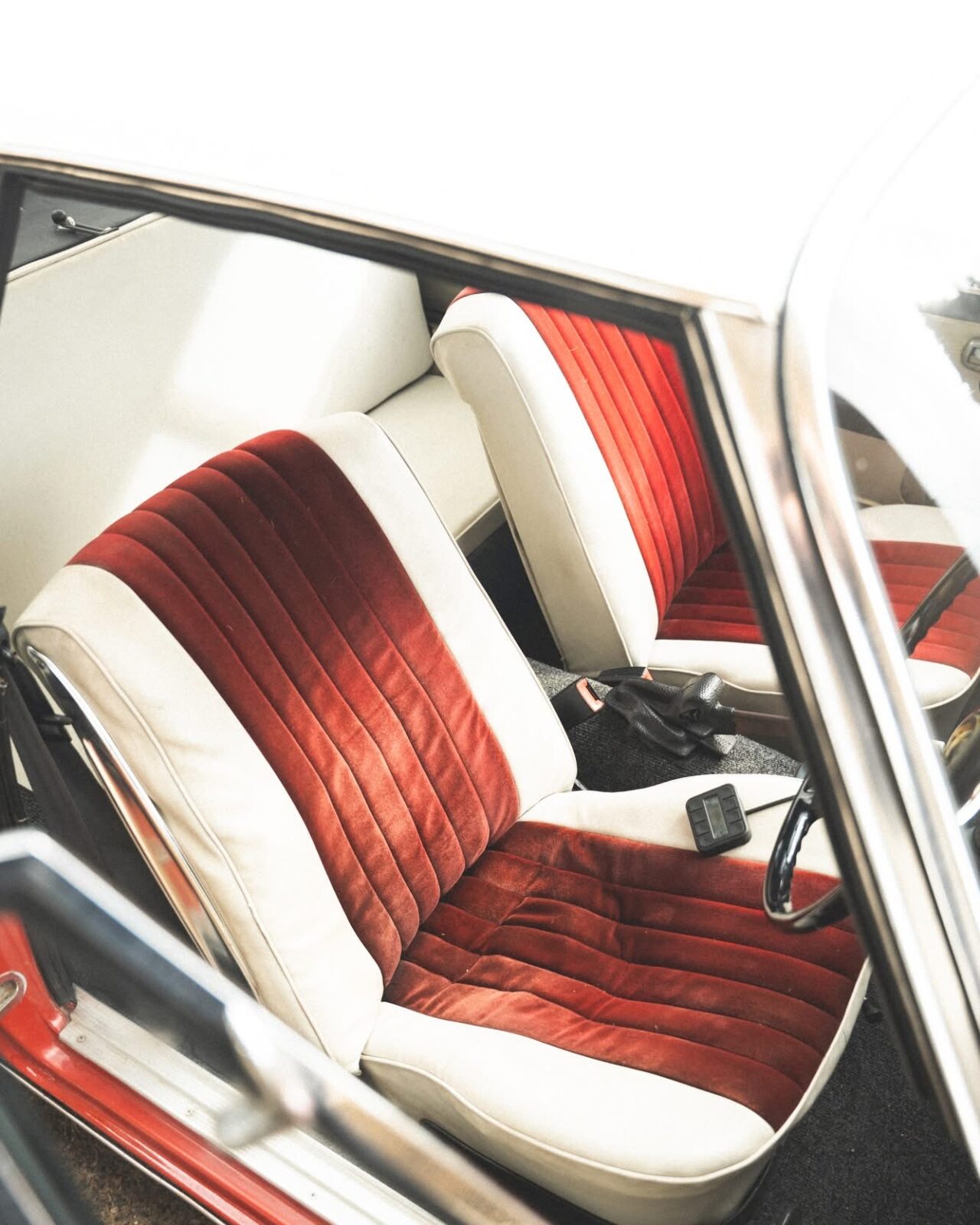
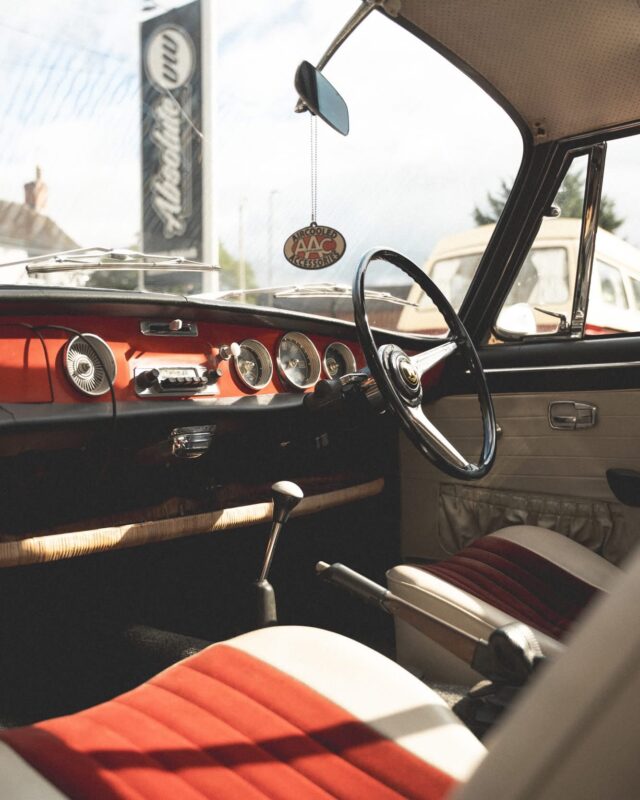
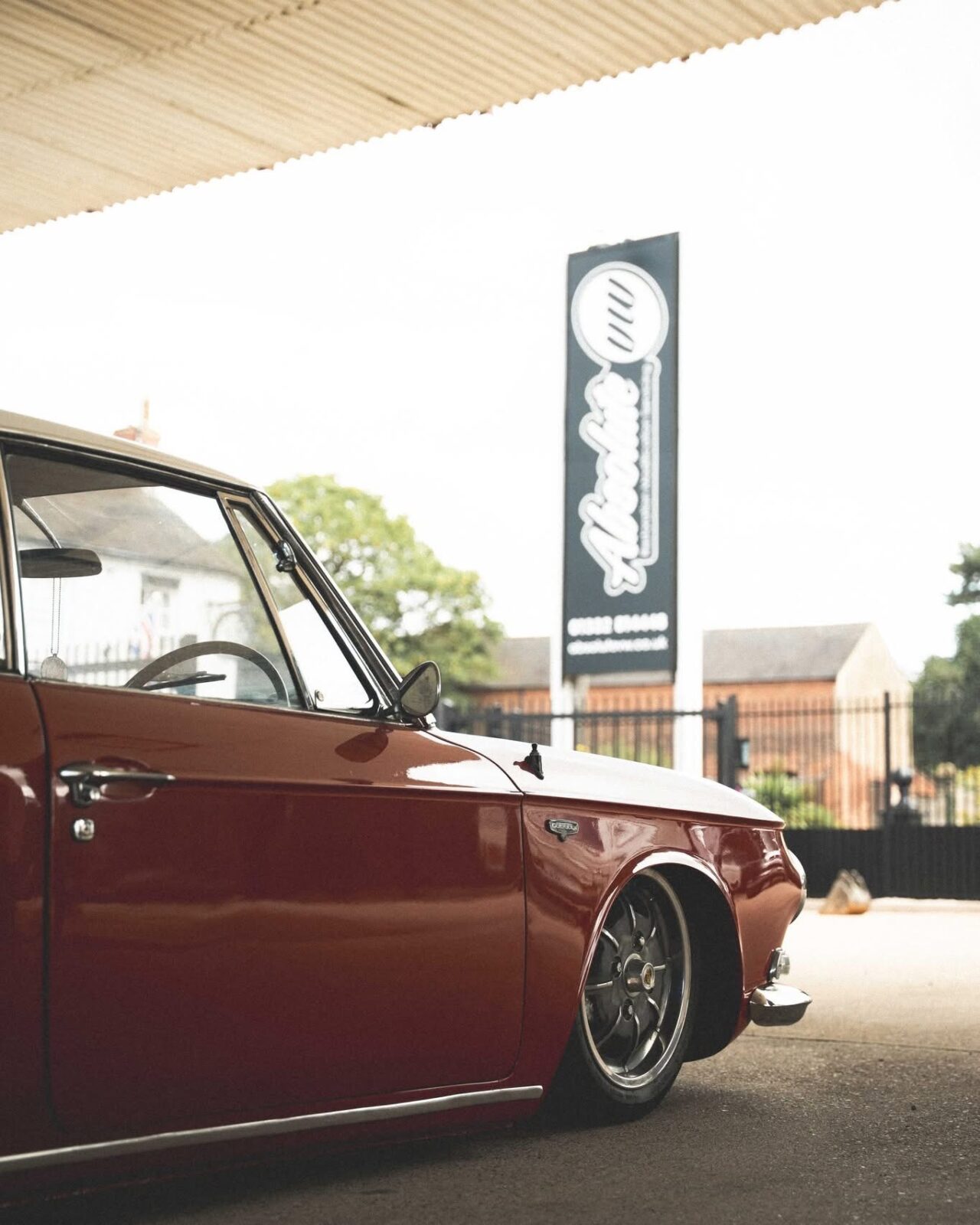
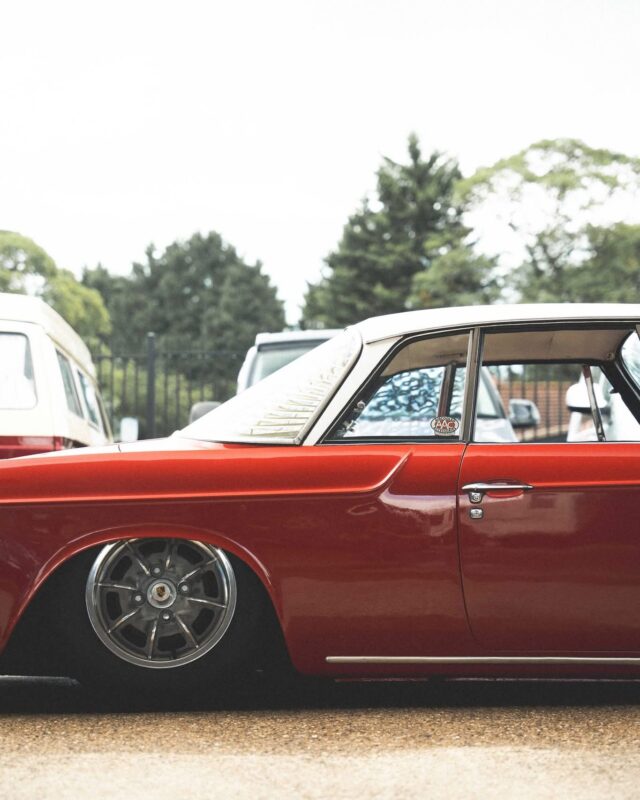
Before the Elite Series. Before the Revolution. Before our own Project RZR. Aircooled Accessories’ Razor Edge was the first Type 34 we ever fitted with air suspension—and the car that helped launch an entirely new Limebug product range.
Every revolution starts somewhere.
There’s something quite brave about being the first person to try something.
Especially when that something involves a relatively rare Volkswagen, a suspension system that doesn’t yet exist and a workshop full of people convinced they can make it work.
Aircooled Accessories’ Type 34 Razor Edge became one of those projects.
Today, Limebug offers a range of Type 3 and Type 34 air suspension components. Narrowed beams, complete conversions, Elite Series developments and Revolution cantilever systems.
But none of those products simply appeared overnight.
The starting point was AAC’s Razor.
The first Type 34 we ever fitted with air suspension, and the development platform for our Generation I bolt-on Type 34 kit.
And quite possibly one of the earliest purpose-developed bolt-on systems of its kind anywhere.
Although we’ll leave that last claim open to debate.
The unusual Karmann Ghia
Volkswagen’s sharper alternative
The Type 34 has always occupied a rather unusual corner of Volkswagen history.
Introduced in 1961, it shared the Type 3 platform but looked completely different from the familiar Beetle and rounded Type 14 Karmann Ghia.
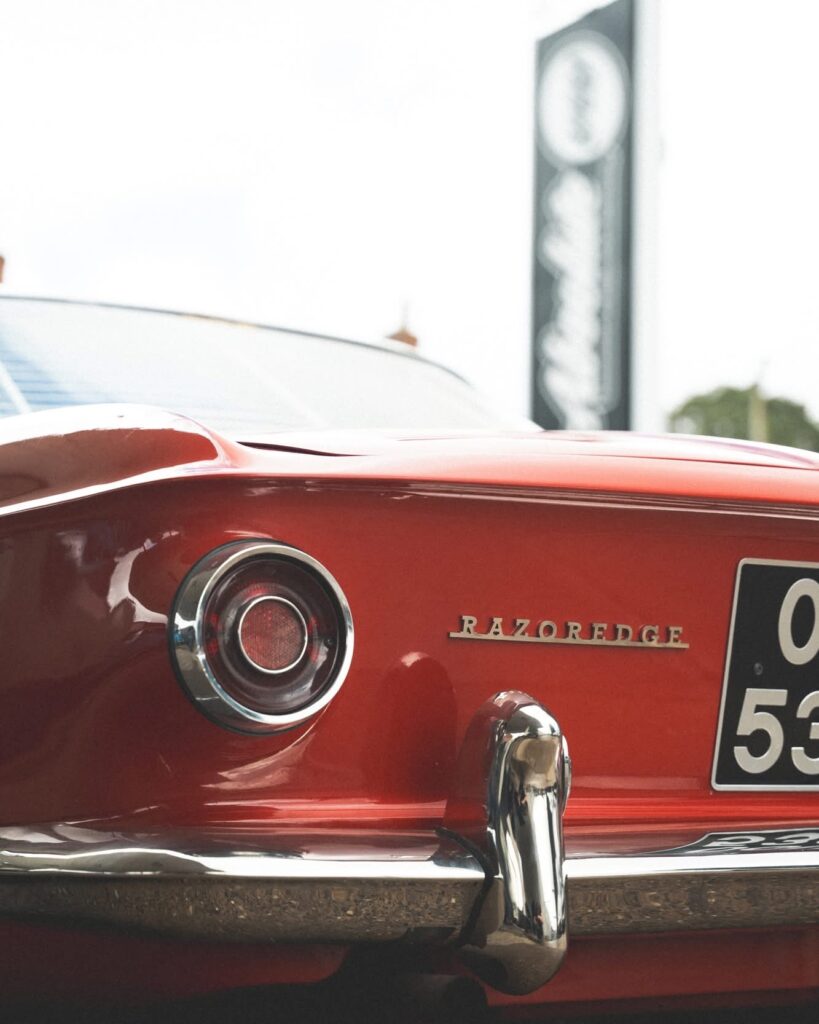
Sharp lines, a formal roofline and distinctive front styling gave it the nickname Razor Edge.
It was comparatively expensive when new, produced in modest numbers and is now considerably rarer than most air-cooled Volkswagens.
All of which makes it an interesting choice for extensive modification.
Parts availability can be difficult enough when you’re attempting a straightforward restoration.
Developing a suspension conversion presents an entirely different challenge.
The Type 3 front axle architecture differs from the more familiar Type 1 arrangement, and the bodywork imposes its own limitations on wheel positioning, steering clearance and suspension movement.
Which meant an off-the-shelf Beetle solution simply wasn’t the answer.
Generation I — Making the first kit
From a one-off installation to a repeatable product
Our objective wasn’t simply to get AAC’s Razor sitting closer to the ground.
We wanted to produce a system that could ultimately be fitted to other Type 34s without requiring every owner to commission an entirely bespoke conversion.
That meant working through the mounting arrangements, suspension movement, component clearances and practical installation requirements.
A one-off modification only needs to work on the car in front of you.
A production kit needs to be consistent, serviceable and repeatable.
AAC’s Razor provided the real-world platform for that development.
It allowed us to establish the fundamentals of the bolt-on conversion and understand the particular demands of the Type 34 chassis.
Those early solutions would form the basis of our Generation I Type 34 air ride system.
Was it the first in the world?
Possibly.
At the time, we weren’t aware of a comparable purpose-developed, bolt-on Type 34 system being readily available.
But the classic Volkswagen scene is full of ingenious private workshop projects, many of which were never photographed or documented.
Claiming an absolute worldwide first would be difficult to substantiate.
What we can say is that AAC’s Razor was Limebug’s first Type 34 air ride installation.
And in the history of our suspension development, that’s the distinction that matters.
Learning the Type 34
Four inches of narrowing—and considerably more engineering
One of the central challenges was front wheel positioning.
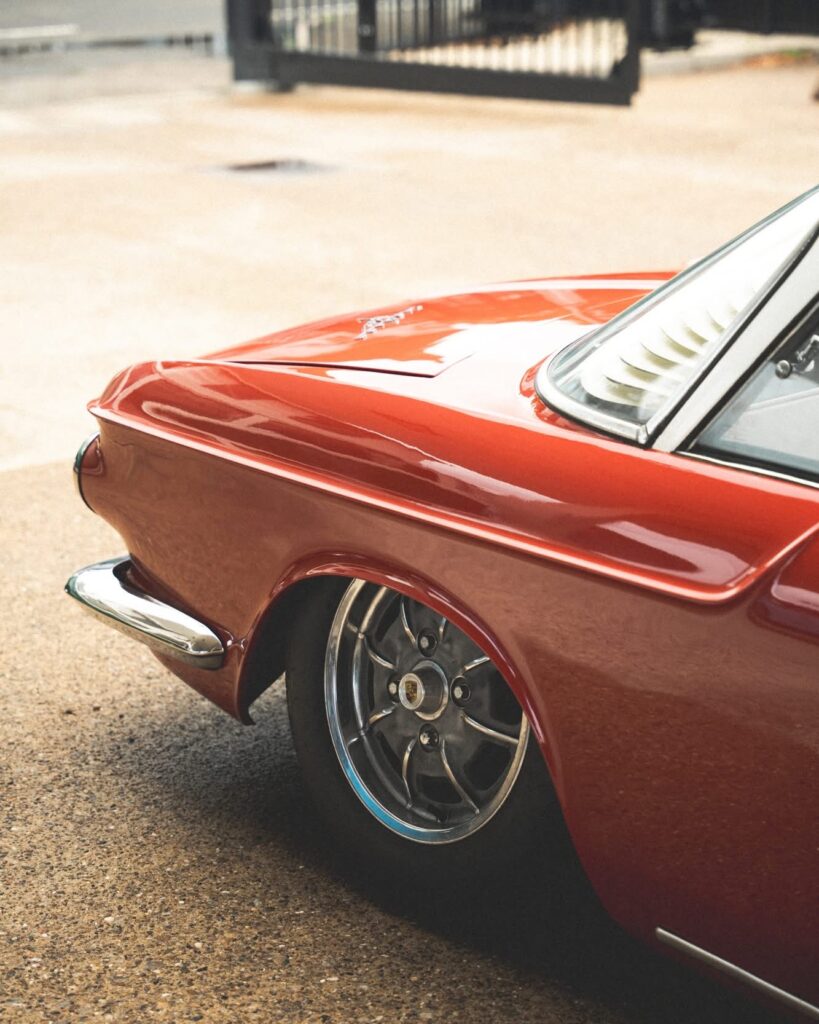
A heavily lowered Razor looks spectacular when the wheels sit neatly within its sharply defined arches.
Achieving that relationship requires careful consideration of front track width, wheel dimensions and the available suspension travel.
Narrowed Type 3/34 conversion beams would become an important part of the Limebug range.
But the beam itself is only one component.
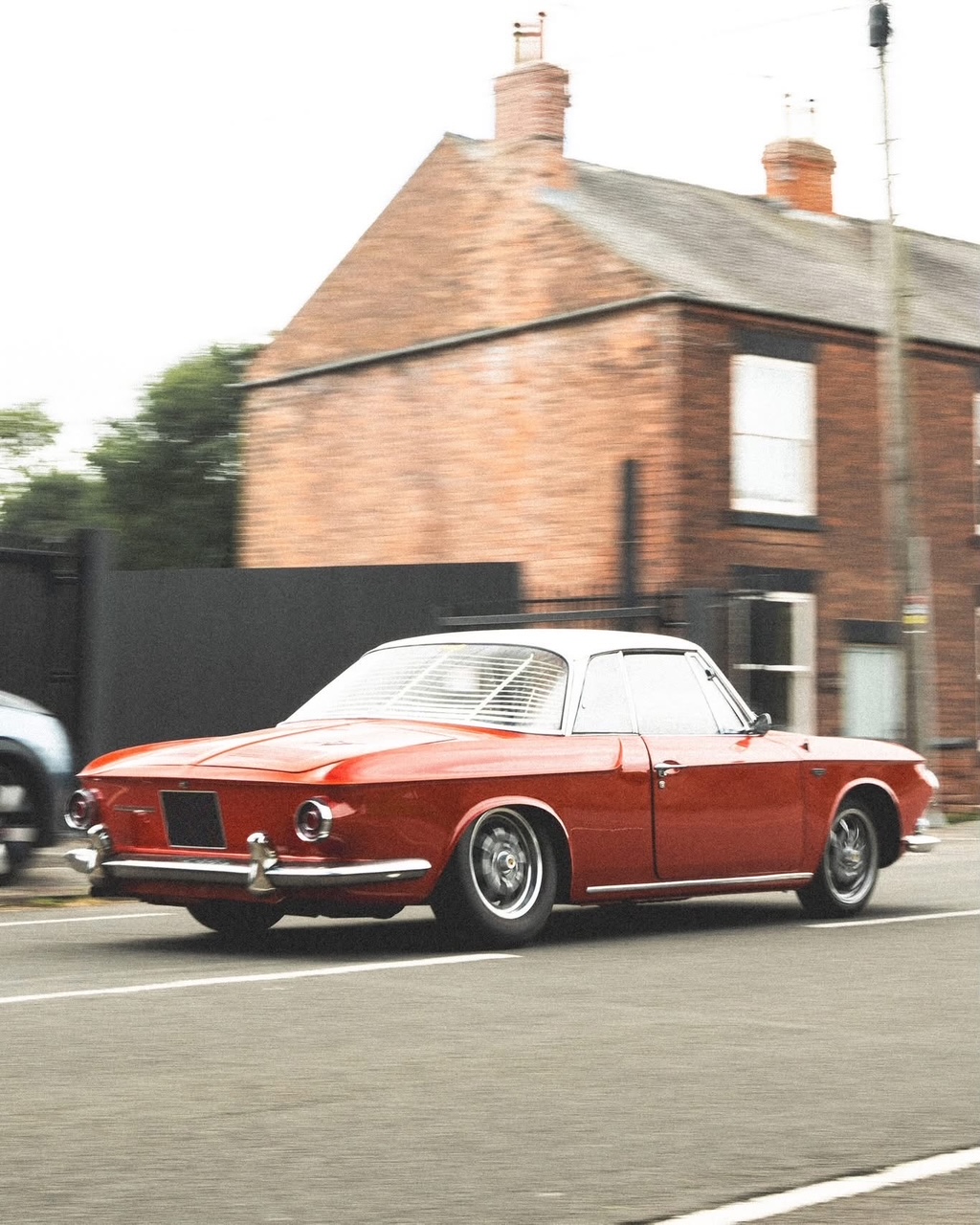
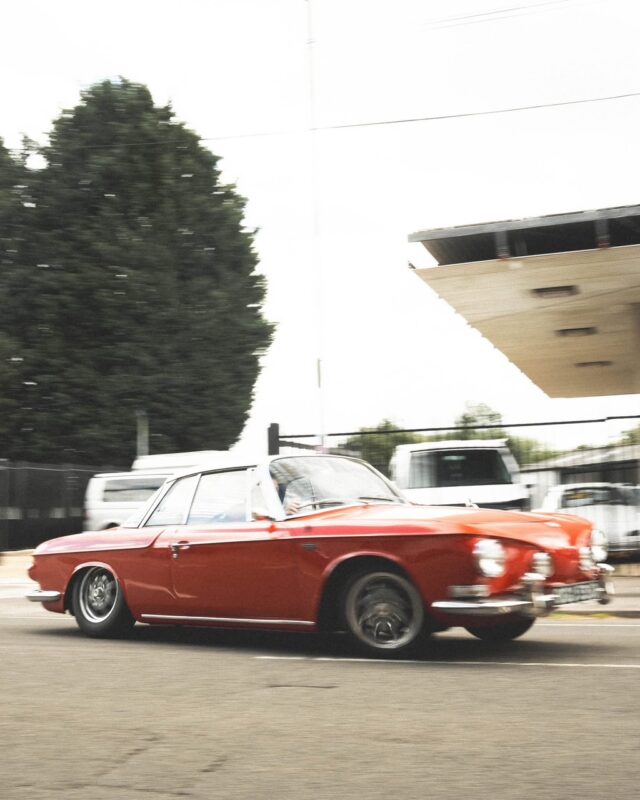
Steering geometry, trailing-arm support, mounting positions and compatibility with the air suspension hardware must all be considered together.
The early work on AAC’s car helped establish our understanding of those relationships.
It also reinforced a lesson that has shaped plenty of later projects: lowering a car properly involves far more than reducing its ride height.
The rear suspension challenge
Developing a complete conversion also meant addressing the rear.
The Type 3 platform presents different packaging requirements from a Beetle, and swing-axle and IRS configurations require application-specific solutions.
We needed a system that could work within those limitations while giving owners the adjustability they wanted.
That work became another part of the Generation I development story.
It also provided experience that would prove valuable when the next generation of Limebug rear air suspension began to take shape.
From Gen I to the Revolution
The products evolved. The original car made them possible.
Over the following years, our suspension range changed considerably.
The Jawbreaker front beam developed through successive generations, eventually leading to the Elite Series approach with bearing-supported trailing arms and additional geometry adjustment.
At the rear, the Revolution cantilever introduced a more modular way of packaging and operating the air suspension.
Modern Type 3/34 kits now incorporate solutions that differ substantially from those early designs.
And that’s worth remembering when looking at AAC’s Hall of Fame product associations.
The current catalogue shows what customers can buy today.
It doesn’t mean every one of those later components was fitted to the Razor during its original development period.
AAC’s car belongs to the Generation I story.
The Elite Series and Revolution systems belong to the developments that followed.
Keeping those chapters distinct gives the build its proper place in Limebug history.
From AAC’s Razor to Project RZR
Years later, we would build our own 1964 Type 34.
Project RZR was a very different proposition.
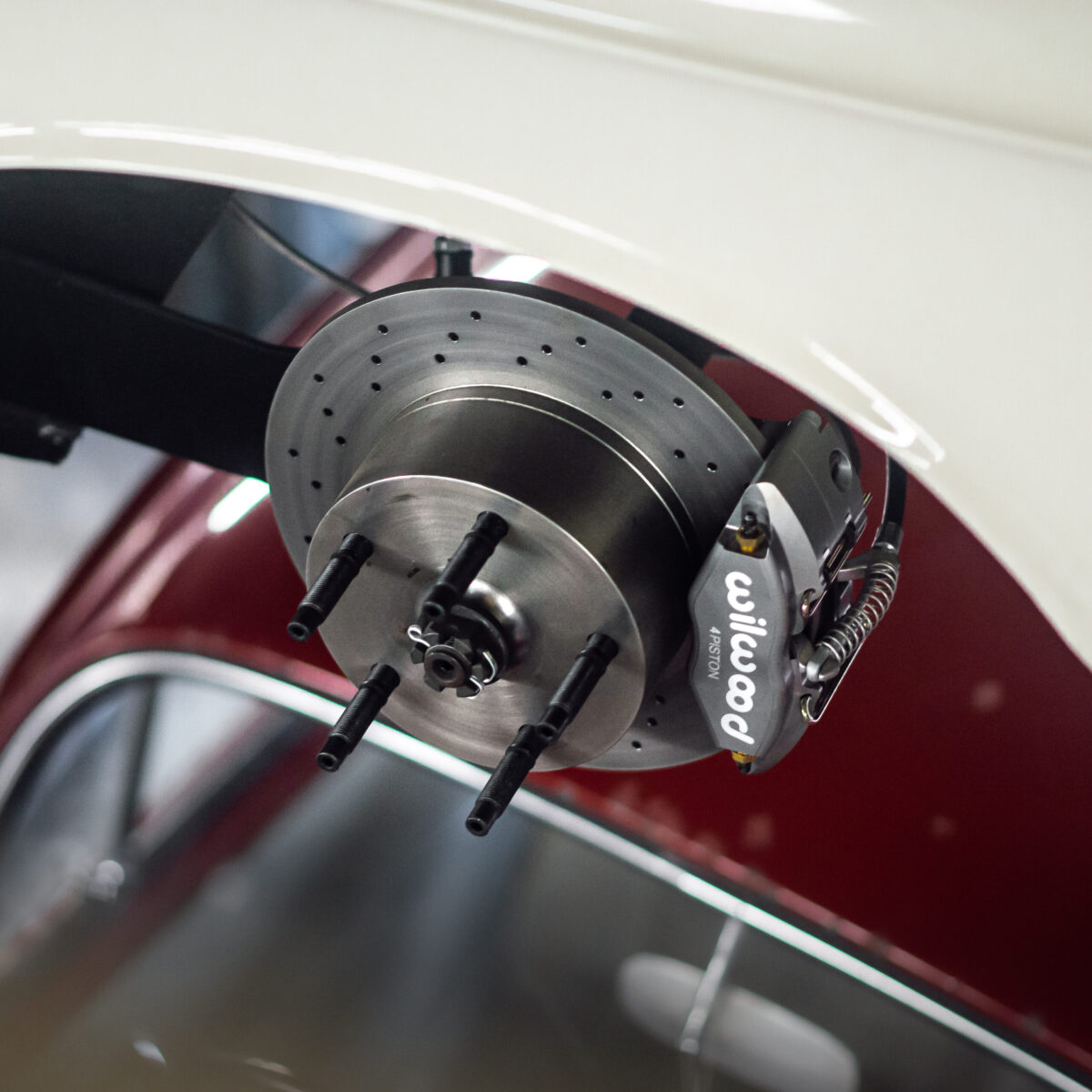
Metallic olive paint, a contrasting black roof, teal interior, four-piston Wilwood brakes and bespoke 18-inch TUGO wheels.
Beneath the bodywork sat a much more developed suspension package incorporating Elite Series front beam technology and the Revolution cantilever.
But that engineering had a history.
The lessons learned through earlier Type 3 and Type 34 installations had helped us reach the point where a project like RZR was possible.
AAC’s Razor was part of that foundation.
Two separate cars.
Different stages of development.
One continuing engineering story.
The build specification
Vehicle and history
- Volkswagen Type 34 Karmann Ghia Razor Edge
- Associated with Aircooled Accessories
- First Type 34 fitted with air suspension by Limebug
- Development vehicle for our Generation I bolt-on Type 34 air ride kit
- Potentially among the earliest purpose-developed Type 34 bolt-on air systems
Original development
- Limebug Generation I Type 34 air suspension
- Platform-specific front suspension conversion work
- Rear air suspension installation development
- Bolt-on fitment and packaging refinement
Later product generations
The following are successors within the Limebug range, not necessarily components fitted during the original installation.
- Type 3/34 4-inch narrowed Jawbreaker conversion beams
- Jawbreaker Elite Series front suspension
- Type 3/34 Revolution cantilever rear air ride
- Deluxe Type 3/34 complete air suspension kits
Build associations
- Aircooled Accessories — vehicle and project association
- Limebug — original air suspension development
- Absolute VW — associated with the wider vehicle history; precise contribution not yet confirmed
Where it all began
Not every important Limebug project has been a show-winning car.
Some have mattered because they gave us an opportunity to make something we couldn’t previously offer.
AAC’s Razor is one of them.
It was the first time we put a Type 34 on air.
The car that helped establish our Generation I bolt-on system.
And an early milestone in the development of the suspension products that followed.
Our own Project RZR would eventually demonstrate how far that engineering could be taken.
But the beginning of the story belongs here.
One Razor Edge. One completely new application.
And the first cut towards a whole new generation of Limebug suspension.